
Why Vietnamese Black Tea Stands Out Compared to Imported Varieties?
Why Vietnamese Black Tea Stands Out Compared to Imported Varieties?
Black tea is one of the most popular and widely enjoyed types of tea worldwide due to its rich flavor, appealing color, and health benefits. In Vietnam, black tea is not just a common refreshment but also an integral part of traditional culture closely tied to people’s daily lives. However, when comparing Vietnamese black tea with imported black tea, many consumers still wonder about the differences and advantages of each type. This article provides a detailed and comprehensive analysis of the characteristics, production processes, flavors, health benefits, prices, and how to choose Vietnamese black tea compared to imported black tea, helping you gain a deep and accurate understanding.

1. What is Black Tea? Distinguishing Black Tea from Other Types of Tea
Black tea, also known as fully oxidized tea, is tea that has undergone complete fermentation, turning the leaves a characteristic dark brown or black color. The oxidation process changes the chemical components in the tea leaves, producing a rich flavor, dark infusion color, and a mild astringent taste. It is the most popular tea worldwide, especially in Western countries and traditional tea-drinking nations like India, Sri Lanka, and Kenya.
Unlike green tea or oolong tea, black tea has the highest oxidation level, which enhances its aroma and boldness. Black tea can be brewed in various ways, suitable for different tastes and uses.

2. Vietnamese Black Tea: Characteristics, Origin Regions, and Production Process
2.1 Prominent Tea Growing Regions in Vietnam
Vietnamese black tea is mainly produced in famous tea-growing regions such as Thai Nguyen, Lam Dong, Ha Giang, and Tuyen Quang. Each region has distinct climate and soil conditions that create unique flavors.
- Thai Nguyen is the most famous tea region in Vietnam, producing not only green tea but also high-quality black tea. Vietnamese black tea from Thai Nguyen has a gentle aroma, a mild astringency, and a lasting sweet aftertaste.
- Lam Dong features a cool climate year-round and fertile basalt soil, ideal for tea cultivation. Black tea from Lam Dong often has a rich taste, strong aroma, and a bright reddish color.
- Ha Giang and Tuyen Quang are highland areas with cold climates that slow leaf growth, preserving many natural nutrients. Black tea from these regions has a mild astringency, sweet aftertaste, and distinctive mountainous fragrance.
2.2 Vietnamese Black Tea Production Process
The production process combines traditional methods with modern technology to ensure quality and preserve the tea’s natural flavor.
- Plucking: Selecting tender buds or medium-sized leaves to ensure freshness and quality.
- Withering: Spreading leaves evenly to reduce moisture and prepare for oxidation.
- Rolling: Gently bruising leaves to break cell walls, allowing enzymes to contact oxygen.
- Oxidation (Fermentation): The crucial step where leaves are kept at controlled temperature and humidity to convert compounds, creating characteristic flavors.
- Drying: Halting oxidation by drying leaves to preserve aroma and taste.
- Sorting and Packaging: Final products are graded and packaged for preservation.
This strict process controls quality, ensures food safety, and maintains the traditional Vietnamese tea flavor.

3. Imported Black Tea: Origins, Characteristics, and Production Process
3.1 Common Sources of Imported Black Tea
Imported black tea in Vietnam mainly comes from major tea-producing countries such as:
- India: Famous for Assam and Darjeeling teas. Indian black tea has a strong, bold flavor with a slightly bitter note and distinctive aroma. Assam tea is robust and suitable with milk, while Darjeeling offers a delicate floral and fruity aroma.
- Sri Lanka (Ceylon): Ceylon tea has a light, slightly tangy flavor and a brighter infusion color, ideal for those who prefer a milder taste.
- Kenya: Kenyan black tea is known for its strong, bold taste, often used for blends or milk tea.
- China: Some Chinese black teas like Keemun have complex aromas, a gentle sweetness, and a lingering aftertaste.
3.2 Production Process of Imported Black Tea
Tea-producing countries follow similar processes but differ in:
- Tea cultivars: Each region uses different tea varieties affecting flavor and quality.
- Oxidation methods: Speed and conditions of fermentation vary.
- Drying technology: Some use modern or traditional drying methods.
These factors create diverse flavors and qualities in imported black teas, catering to different preferences and uses.
4. Detailed Comparison Between Vietnamese and Imported Black Tea
4.1 Flavor and Aroma
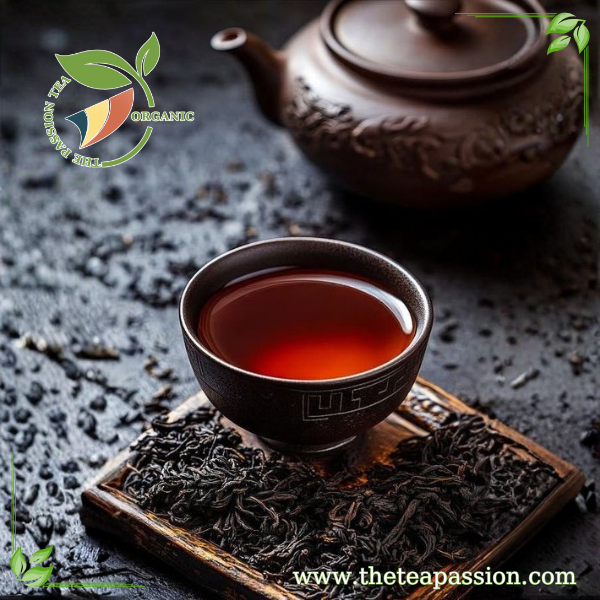
- Vietnamese Black Tea: Offers a gentle, clear aroma with mild astringency and a deep sweet aftertaste. It suits Vietnamese palates and is great for drinking plain or with sugar and milk.
- Imported Black Tea: Usually has a stronger, sometimes sharper or more bitter aroma, suitable for milk tea or sweetened preparations.
4.2 Quality and Safety
- Vietnamese black tea is strictly quality-controlled, uses fewer pesticides, and meets Vietnam’s food safety standards.
- Imported black tea also meets safety standards but may have residual chemicals depending on the producer and region.
4.3 Price and Accessibility
- Vietnamese black tea is generally more affordable due to lower transportation costs, no import taxes, and domestic sourcing.
- Imported black tea prices vary widely and tend to be higher due to shipping, taxes, and brand value.
4.4 Product Variety and Choices
- Vietnamese black tea offers a wide range of products from different regions, suitable for various consumer segments.
- Imported black tea provides diverse options from world-renowned cultivars, ideal for tea enthusiasts seeking new experiences.
5. Health Benefits of Vietnamese and Imported Black Tea
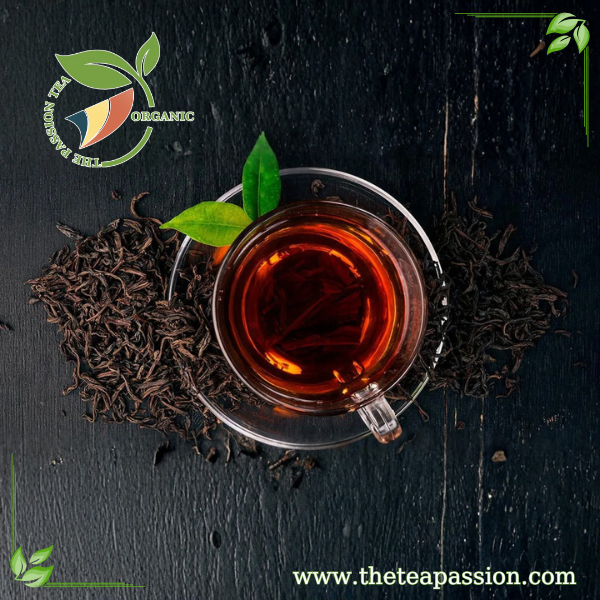
Both Vietnamese and imported black teas contain beneficial nutrients such as:
- Antioxidants (polyphenols): Help prevent aging and protect cells from damage.
- Caffeine: Enhances alertness and mental clarity.
- Minerals: Including manganese, potassium, and magnesium that support bodily functions.
Vietnamese black tea, often cultivated and processed traditionally with minimal chemicals, tends to retain more natural nutrients. Choosing clean, preservative-free tea is essential to maximize health benefits.
6. How to Choose and Store Quality Vietnamese Black Tea
6.1 Selecting Vietnamese Black Tea
- Choose products with clear origin, labeling, and quality certification.
- Prefer teas from famous regions like Thai Nguyen and Lam Dong.
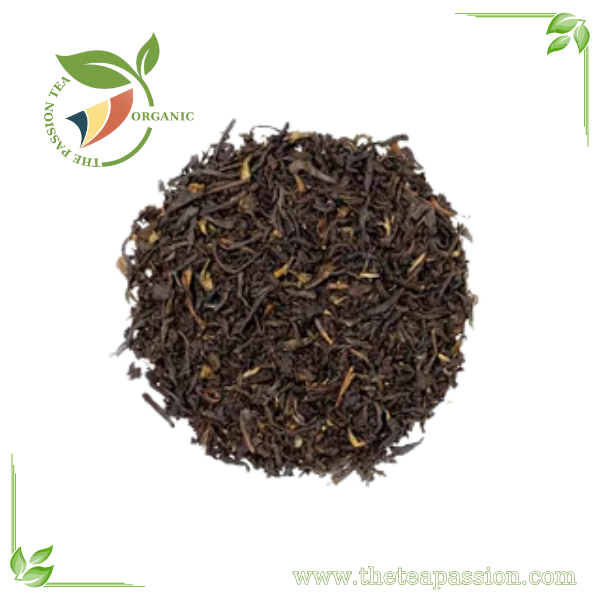
- Check leaf color and aroma: black tea leaves should be dark brown-black with a natural fragrance and no musty odor.
- Buy from reputable stores or trusted brands.
6.2 Storing Black Tea
- Keep tea in a dry, cool, and well-ventilated place, away from direct sunlight.
- Seal the tea container tightly after use to prevent moisture and aroma loss.
- Avoid storing tea near strong-smelling items like spices or chemicals.

7. Tips for Consuming Black Tea
- Drink black tea in moderation, no more than 3-4 cups daily to avoid caffeine side effects.
- Avoid drinking tea on an empty stomach to prevent stomach discomfort.
- People with cardiovascular or blood pressure issues should consult a doctor before consuming large amounts.

8. Vietnamese Black Tea in Culture and Daily Life
Black tea is more than just a beverage in Vietnam; it is a cultural symbol. In many rural areas, black tea is served to guests, during festivals, or simply for family gatherings. Its rich, warm flavor evokes familiarity and closeness.
Many Vietnamese families maintain traditions of hand-picking and processing black tea using ancestral methods, preserving the original flavor through generations. This cultural heritage distinguishes Vietnamese black tea from mass-produced imported teas.

9. Development Trends and Potential of Vietnamese Black Tea
In recent years, demand for clean, safe, and culturally authentic tea products has increased. Vietnamese black tea has been invested in technically, with improved processing and branding to enhance product value.
Many enterprises and cooperatives in famous tea-growing regions apply international standards such as VietGAP and Organic certifications to ensure quality and expand export markets. This presents a significant opportunity for Vietnamese black tea to assert its presence domestically and internationally.

10. Sustainable Development of Vietnamese Black Tea
The development of the tea industry in Vietnam focuses not only on quantity and quality but also on sustainability. Organic farming methods, environmental protection, reduced chemical use, and green technologies are increasingly adopted.
This approach protects consumer health, preserves ecosystems, maintains soil fertility, and minimizes environmental impact. Sustainable development also strengthens the Vietnamese black tea brand’s value in global markets.

11. Popular Vietnamese Black Tea Varieties and Their Characteristics
Besides traditional black tea, Vietnam produces specialty black teas with unique flavors and processing methods:
- Special Thai Nguyen Black Tea: Made from tender buds, offering a pure aroma, sweet aftertaste, and bright red infusion.
- Premium Lam Dong Black Tea: Features a strong aroma and rich taste, suitable for hot drinking or milk tea.
- Moc Chau Black Tea: Grown in highlands, with mild astringency, sweet aftertaste, and mountainous fragrance.
- Son La Black Tea: Known for its rich flavor and natural aroma, preferred by those who enjoy pure tea.
Each variety offers a distinct experience, reflecting regional traits and Vietnamese tea craftsmanship.

12. Vietnamese Black Tea in the Processing Industry and Export
Vietnam’s black tea processing industry is developing rapidly, with investments in modern machinery, quality improvement, and product diversification. Vietnam is expanding black tea exports to Asian, European, and North American markets.
Building a high-quality, traceable Vietnamese black tea brand meeting international standards is key to competing globally.

13. How to Properly Enjoy Vietnamese Black Tea
To fully appreciate the flavor and benefits of Vietnamese black tea, consider the following:
- Proper brewing: Use water at around 90-95°C and steep tea for 3-5 minutes depending on type and preference.
- Use ceramic or porcelain teapots: They retain heat well and do not affect tea flavor.
- Avoid over- or under-brewing: To balance aroma and mild bitterness.
- Drink while hot: To savor the distinctive aroma and flavor.
Vietnamese black tea can also be combined with honey, lemon, or milk to create diverse drinks suitable for various tastes.

14. Importance of Choosing Quality Vietnamese Black Tea
Selecting quality black tea affects both the drinking experience and health. Vietnamese black tea is produced under strict quality control from cultivation to processing, minimizing chemical residues and ensuring food safety.
Consumers should prioritize purchasing from reputable brands with certifications and clear origins to protect their interests and health.

Vietnamese black tea stands out from imported black tea thanks to its local raw materials, traditional yet modern processing, creating a rich, elegant flavor suited to Vietnamese tastes. It also offers advantages in price, quality control, and food safety.
Imported black tea brings diverse flavors and experiences from world-famous cultivars, ideal for tea lovers seeking variety and specialty blends.
Choosing the right black tea depends on personal taste, purpose, and budget. However, for those who appreciate traditional flavor, safety, and affordability, Vietnamese black tea is an excellent choice.
If you want to learn more or purchase quality Vietnamese black tea, seek reputable brands from famous tea regions like Thai Nguyen, Lam Dong, or Ha Giang to experience the authentic taste of Vietnamese black tea.
