
Rare Green Tea Varieties Every Tea Enthusiast Should Know
Rare Green Tea Varieties Every Tea Enthusiast Should Know
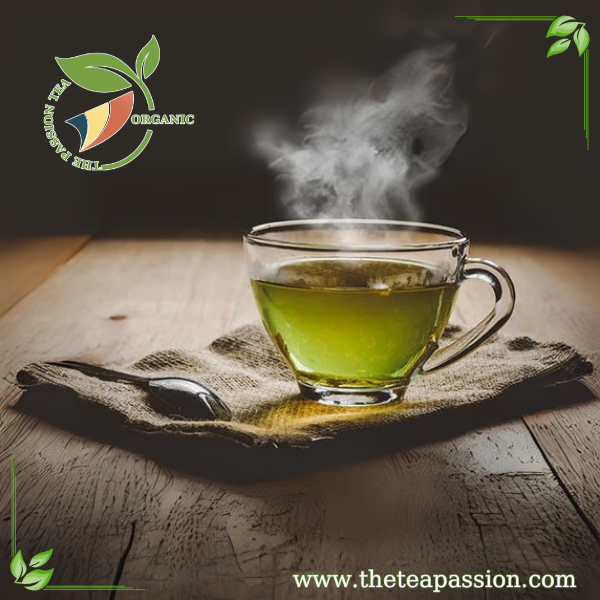
For centuries, green tea has been celebrated as the elixir of life, the zenith of refreshment, and the ultimate excuse for a midday pause. But while most tea drinkers are familiar with the supermarket staples like Sencha or Matcha, there exists a hidden world of rare green tea varieties that are as elusive as they are enchanting. So, grab your favorite teacup, and let’s dive into the verdant abyss of unique green teas that every true tea enthusiast should have on their radar.
1. Gyokuro: The Shaded Diva of Green Teas
If green teas had a red carpet event, Gyokuro would be the one arriving in a designer gown, sunglasses perched just so, and an entourage in tow. Known as “jade dew” in Japanese, this tea is grown under shade for about three weeks before harvesting, a process that enhances its sweetness and umami flavors. The result? A cup so smooth and luxurious it might just ruin all other green teas for you.
Gyokuro isn’t a tea you chug mindlessly while scrolling through your phone. Oh no, this is a tea you sip slowly, savoring its buttery texture and delicate grassy notes. It’s like drinking liquid silk if silk had a faintly vegetal flavor.
2. Anji Bai Cha: The Chameleon of Teas
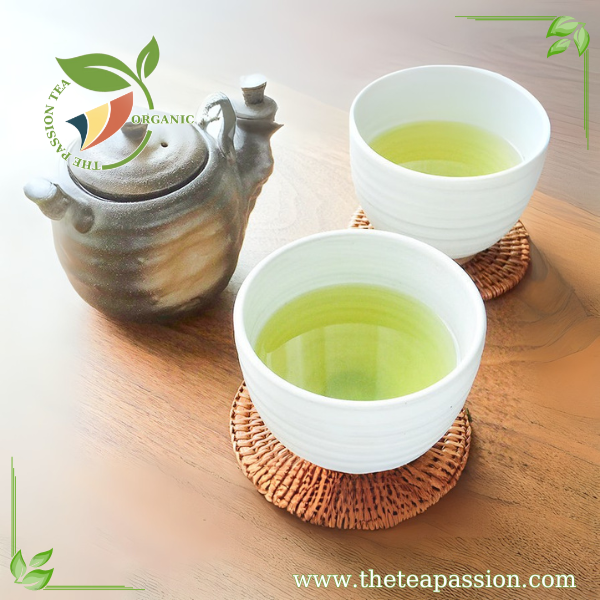
Despite its name, Anji Bai Cha (translated as “Anji White Tea”) is, in fact, a green tea. Confused? Welcome to the wonderfully perplexing world of tea nomenclature! This Chinese tea hails from Anji County in Zhejiang Province and is made from a special tea cultivar that turns pale green or almost white under specific growing conditions.
The flavor profile is light, sweet, and slightly nutty a gentle whisper compared to the bold shout of some other green teas. Drinking Anji Bai Cha feels like a spring breeze in a cup, perfect for those moments when you want to feel fancy but not overly dramatic.
3. Liu An Gua Pian: The Melon Seed Marvel
Don’t let the name fool you Liu An Gua Pian has nothing to do with melons or seeds. Instead, this Chinese green tea gets its name because the leaves are shaped like melon seeds during processing. But don’t get hung up on semantics; focus on the taste!
This tea is roasted during production, giving it a toasty edge that pairs beautifully with its floral undertones. It’s like sitting by a campfire in a blooming meadow comforting and invigorating all at once. Plus, Liu An Gua Pian is known for its rich green color and thick, satisfying brew. It’s the tea equivalent of a warm hug from someone who also happens to smell amazing.
4. Tamaryokucha: The Curly Wonder
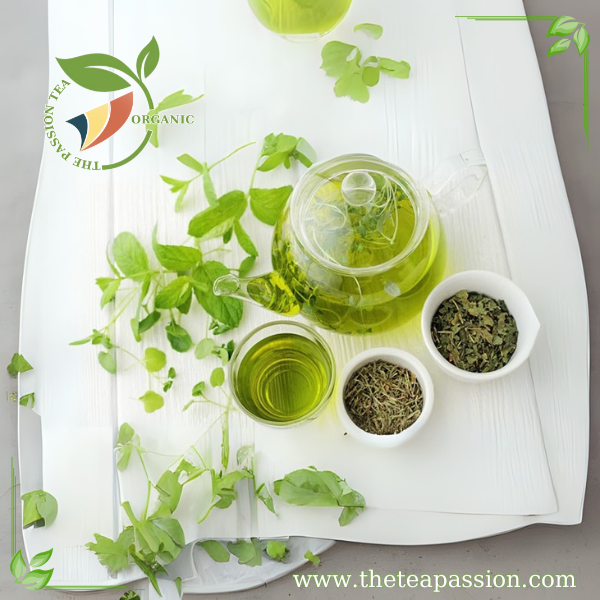
Tamaryokucha is proof that not all green teas have to be prim and proper. This Japanese tea breaks the mold with its curly leaves and bold personality. Unlike other Japanese teas that are steamed, Tamaryokucha is pan-fired (a technique more common in Chinese teas), giving it a unique nutty flavor with hints of citrus and berries.
Drinking Tamaryokucha is like attending a garden party where someone spikes the lemonade unexpectedly delightful with just the right amount of mischief. If you’re looking to shake up your tea routine and keep your taste buds guessing, this one’s for you.
5. Huangshan Maofeng: The Misty Mountain Gem
Hailing from the misty peaks of Huangshan (Yellow Mountain) in China’s Anhui Province, Huangshan Maofeng is as poetic as it sounds. The name translates to “Yellow Mountain Fur Peak,” which refers to the small white hairs on the tea leaves and their pointed shape.
This tea is light yet complex, with floral notes that dance like tiny ballerinas on your palate. It’s the kind of tea that makes you want to stare wistfully out of a window while contemplating life’s mysteries or at least pretending to.
6. Shincha: The First Flush Fanfare
Shincha is the rock star of Japanese green teas it bursts onto the scene every spring with all the hype of a new album release. Literally translating to “new tea,” Shincha is made from the first harvest of the season and is prized for its fresh, vibrant flavor and high nutrient content.
Drinking Shincha is like biting into a crisp apple on a sunny day it’s refreshing, invigorating, and just a little bit addictive. But don’t get too attached; Shincha is only available for a short time each year, making it the ultimate seasonal treat.
7. Junshan Yinzhen: The Golden Needle Treasure
Considered one of China’s ten most famous teas, Junshan Yinzhen (Silver Needles of Junshan) is technically a yellow tea but often gets lumped into the green tea family because of its processing method. This rare gem comes from Hunan Province’s Junshan Island and is made exclusively from tender buds covered in fine silver hairs.
The flavor is delicate and slightly sweet, with a lingering floral finish that will have you reaching for another cup before you’ve even realized it. If you ever wanted to feel like royalty while sipping tea, this one will do the trick just don’t forget to extend your pinky finger for full effect.
8. Kukicha: The Twig Tea Underdog
Kukicha isn’t made from leaves but rather from the twigs and stems of the tea plant a fact that might make it sound like the leftovers of the tea world. But don’t be fooled; this Japanese green tea is anything but second-rate.
With its creamy, nutty flavor and low caffeine content, Kukicha is perfect for those late-night moments when you crave something warm but don’t want to be up all night pondering your life choices. It’s humble yet satisfying like finding out your favorite side character in a show gets their own spin-off series.
9. Biluochun: The Spiraled Spring Sensation
Biluochun, which translates to “Green Snail Spring,” gets its name from its tightly curled leaves that resemble tiny snails (don’t worry no actual snails are involved). This Chinese green tea is grown in Jiangsu Province near fruit trees, which impart subtle fruity undertones to its flavor profile.
Drinking Biluochun feels like wandering through an orchard in full bloom it’s fragrant, refreshing, and just a little bit magical. And let’s be honest: who doesn’t want to say they’ve sipped on something called Green Snail Spring?
10. Dragon Well (Longjing): The Emperor’s Favorite
Okay, so Longjing might not be *that* rare anymore, but we’d be remiss not to include it on this list because it’s still considered one of the finest green teas in existence. This Chinese classic hails from Hangzhou and has been enjoyed by emperors, poets, and anyone with good taste for centuries.
Its flat, sword-shaped leaves brew up into a golden-green liquor with flavors that are nutty, sweet, and slightly vegetal a harmonious trifecta that has earned it legions of fans worldwide. If you haven’t tried Dragon Well yet, what are you even doing with your life? Go fix that immediately!
There you have it ten rare green tea varieties that will elevate your tea game faster than you can say “Camellia sinensis.” Whether you’re looking for something silky and luxurious or light and playful, these teas offer a little something for everyone (and every mood). So why not take a break from your usual brew and give one or all of these hidden gems a try? After all, life’s too short to drink boring tea!
