
The Art of Oolong Tea Processing: From Withering to Rolling
The Art of Oolong Tea Processing: From Withering to Rolling
Oolong tea, often described as the bridge between green and black teas, is celebrated for its complex flavors, aromatic profile, and wide range of oxidation levels. The intricate process of crafting oolong tea is an art that requires precision, skill, and a deep understanding of the leaves. From the moment the leaves are plucked to the final stages of rolling, each step in the production process plays a crucial role in defining the tea’s unique characteristics.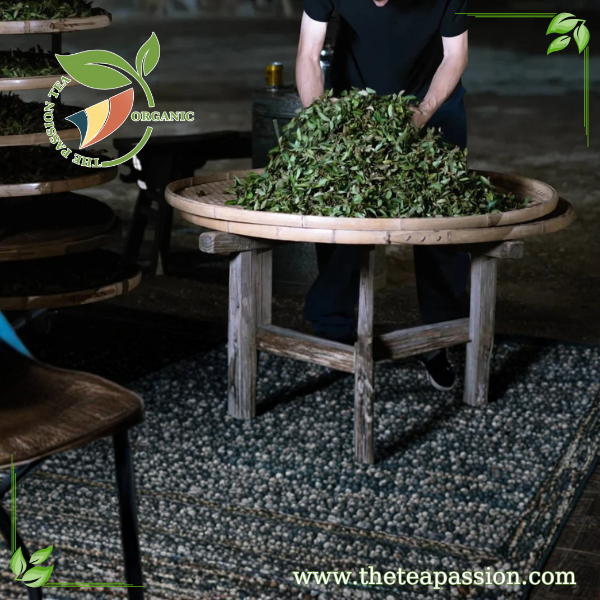
Step 1: Harvesting the Leaves
The journey of oolong tea begins with the careful selection and harvesting of tea leaves. Typically, mature leaves and buds are chosen for oolong production, as their robust structure can withstand the rigorous processing required. The timing of the harvest is critical; skilled tea farmers often rely on their expertise to determine the ideal moment, ensuring that the leaves are at their peak in terms of flavor and quality.
Step 2: Withering
Withering is the first step in transforming freshly plucked leaves into oolong tea. During this stage, the leaves are spread out in thin layers either under the sun or in a controlled indoor environment. The purpose of withering is to reduce the moisture content in the leaves, making them pliable for further processing. This step also initiates chemical changes within the leaves, allowing their natural aromas to develop. The duration and conditions of withering are carefully monitored to achieve the desired balance between moisture loss and flavor enhancement.

Step 3: Shaking and Bruising
Once the leaves have been sufficiently withered, they are subjected to a process known as shaking or bruising. This involves gently tossing or tumbling the leaves to bruise their edges. The bruising action breaks down the cell walls in specific areas of the leaf, exposing enzymes to oxygen and triggering oxidation. This step is essential for developing oolong tea’s characteristic flavor profile, which often includes floral, fruity, or nutty notes. The degree of shaking and bruising directly influences the tea’s final taste and aroma.
Step 4: Oxidation
Oxidation is one of the most critical stages in oolong tea processing. During this phase, the bruised leaves are left to rest in a controlled environment where enzymes interact with oxygen. The extent of oxidation is what sets oolong tea apart from other types of tea, as it can range from 10% (lightly oxidized) to 70% (heavily oxidized). Lightly oxidized oolongs tend to have a fresh, floral character similar to green tea, while heavily oxidized oolongs exhibit deeper, richer flavors akin to black tea. Mastering this step requires a keen eye and experience, as even slight variations can significantly impact the final product.
Step 5: Fixation
To halt oxidation at the desired level, the leaves undergo a process called fixation or “kill-green.” This involves applying heat to deactivate the enzymes responsible for oxidation. Traditionally, this step is performed by pan-firing or steaming the leaves. Fixation not only locks in the desired flavor profile but also helps preserve the vibrant color of the leaves.
Step 6: Rolling
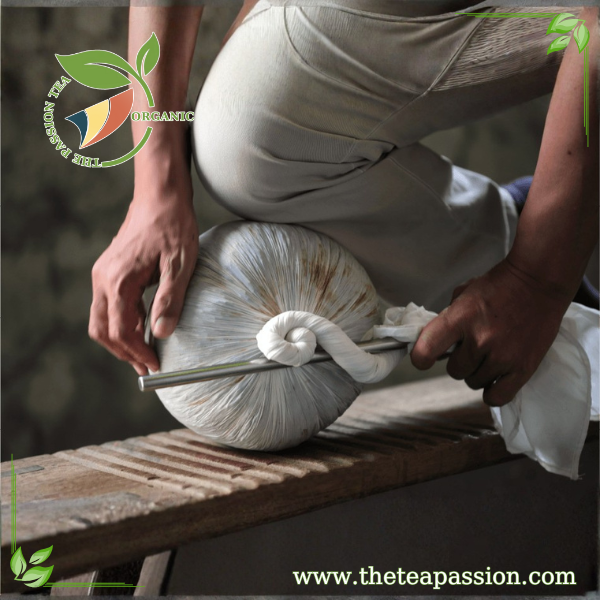
Rolling is both an art and a science in oolong tea production. After fixation, the leaves are rolled into their characteristic shapes ranging from tightly curled balls to twisted strips depending on the specific type of oolong being produced. Rolling serves multiple purposes: it breaks down more cell walls to release essential oils, shapes the leaves for visual appeal, and prepares them for even drying. This step requires skill and precision, as over-rolling can damage the leaves while under-rolling may not achieve the desired results.

Step 7: Drying
The final step in oolong tea processing is drying, which removes any remaining moisture from the leaves and ensures their long-term preservation. Drying is typically done using hot air or baking techniques. This step also enhances the tea’s flavor by caramelizing some of its natural sugars and locking in its aromatic compounds. The temperature and duration of drying are carefully controlled to avoid burning or over-drying the leaves.

The art of oolong tea processing is a testament to human ingenuity and dedication. Each step from withering to rolling requires meticulous attention to detail and a deep respect for tradition. The result is a tea that offers an unparalleled sensory experience, with flavors that range from delicate and floral to robust and toasty. Whether enjoyed on its own or paired with food, oolong tea remains a symbol of craftsmanship and cultural heritage that continues to captivate tea enthusiasts around the world.
