
The Best Time of Year for Harvesting Jasmine Tea Flowers
The Best Time of Year for Harvesting Jasmine Tea Flowers
Jasmine tea, a fragrant and delicate beverage cherished worldwide, owes much of its appeal to the quality and timing of its floral ingredient: jasmine blossoms. These flowers, known for their intoxicating aroma, are carefully harvested to ensure that their essence is perfectly captured in the tea-making process. Understanding the ideal time of year to harvest jasmine flowers is crucial for producing high-quality jasmine tea, as timing directly influences the fragrance, flavor, and overall quality of the final product.
The Seasonality of Jasmine Flowers

Jasmine plants, belonging to the genus Jasminum, thrive in warm climates and are typically cultivated in regions such as China, India, and Southeast Asia. These regions provide the optimal conditions-ample sunlight, moderate rainfall, and warm temperatures-that jasmine plants require to flourish. While there are many species of jasmine, the varieties most commonly used in tea production are Jasminum sambac (Arabian jasmine) and Jasminum grandiflorum (Spanish jasmine).
Jasmine flowers generally bloom during the warmer months of the year, with peak flowering seasons varying slightly depending on the local climate. In most regions, this occurs between late spring and early autumn. However, the exact timing can differ based on factors such as altitude, weather patterns, and cultivation techniques.
The Importance of Timing in Jasmine Harvesting
The timing of jasmine flower harvesting is critical because the blossoms’ fragrance is at its strongest at specific times of day and stages of bloom. Jasmine flowers release their most potent aroma during the evening and early night hours when their petals are fully open. This natural rhythm aligns with their role in attracting nocturnal pollinators such as moths.
For jasmine tea production, flowers are typically harvested early in the morning while they are still closed or partially open. This ensures that they retain their aromatic oils, which are essential for infusing tea leaves with their signature fragrance. If harvested too late in the day, the flowers may lose some of their aromatic potency due to prolonged exposure to sunlight and heat.

Peak Harvesting Periods by Region
While jasmine flowers bloom for several months, there are specific periods within the season when the flowers are at their peak in terms of quality and fragrance. These peak periods can vary depending on the region:
1. China: In China, one of the largest producers of jasmine tea, the harvesting season typically begins in late May or early June and continues through September. The peak period often occurs in July and August when the weather is warmest and the flowers are most abundant.
2. India: In India, particularly in regions like Tamil Nadu where Jasminum sambac is widely grown, the flowering season extends from March to October. However, the most fragrant blooms are often harvested during the monsoon season (June to September), when humidity enhances the flowers’ aroma.
3. Southeast Asia: In countries like Vietnam and Thailand, jasmine flowers are usually harvested from April to September. The timing may vary slightly depending on local climatic conditions.

Factors Influencing Harvest Quality
Several factors influence the quality of jasmine flowers during harvest, including:

– Weather Conditions: Consistent warm temperatures and moderate humidity levels are ideal for jasmine cultivation. Excessive rain or drought can stress the plants and affect flower quality.
– Harvesting Techniques: Skilled labor is essential for carefully plucking the delicate blossoms without damaging them. Harvesters must also ensure that only mature buds are collected, as immature or overripe flowers may lack the desired fragrance.
– Post-Harvest Handling: Once harvested, jasmine flowers must be handled with care to prevent bruising or wilting. They are typically transported quickly to processing facilities to begin the scenting process with tea leaves.
The Scenting Process: Marrying Jasmine with Tea
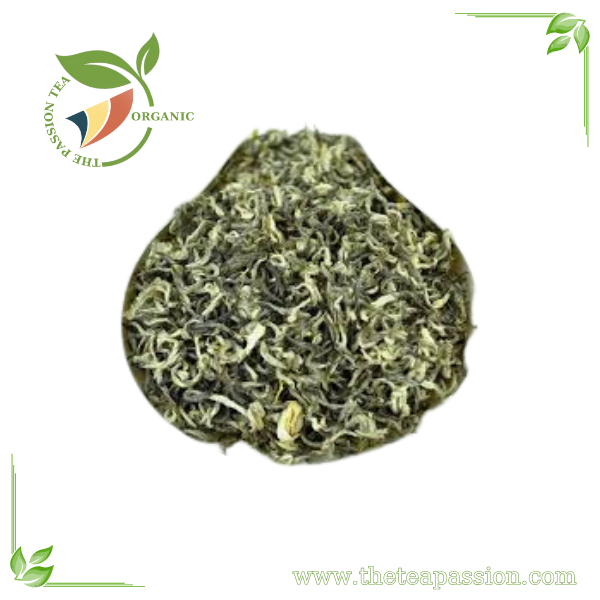
After harvesting, jasmine flowers are used to scent tea leaves through a meticulous layering process. Freshly picked flowers are layered with tea leaves-often green or white tea-and left to infuse overnight. During this time, the tea absorbs the natural oils released by the blossoms. The process may be repeated several times to achieve the desired level of fragrance.
The success of this process depends heavily on the quality of the harvested jasmine flowers. Flowers picked at their aromatic peak impart a richer, more authentic flavor to the tea, elevating its overall sensory experience.

Harvesting jasmine flowers for tea is both an art and a science that requires careful attention to timing, weather conditions, and handling practices. Late spring through early autumn is generally considered the best time of year for harvesting jasmine flowers, with peak periods varying based on regional climates. By understanding and adhering to these optimal harvesting practices, producers can ensure that their jasmine tea captures the full essence of this beloved flower.
For tea enthusiasts and producers alike, appreciating the nuances of jasmine flower harvesting adds a deeper layer of understanding to this timeless beverage. It is a reminder that behind every sip lies a delicate balance of nature’s rhythms and human craftsmanship-a union that makes jasmine tea truly extraordinary.
