
Black Tea OP1 vs OP: Why the “1” Makes a Difference in Quality
Black Tea OP1 vs OP: Why the “1” Makes a Difference in Quality

When exploring the world of black tea, you may come across various grades and classifications, each offering unique qualities and flavors. Among these, the terms “OP” and “OP1” often appear on tea packaging, particularly for loose-leaf teas. While they may seem similar at first glance, the distinction between OP and OP1 is significant and can have a notable impact on the tea’s quality, flavor profile, and overall experience. But what exactly do these terms mean, and why does the addition of a single “1” make such a difference? Let’s delve into the details.
Understanding the Basics: What Do OP and OP1 Stand For?
The grading system for black tea, especially in regions like Sri Lanka (Ceylon), India, and parts of China, often uses abbreviations to indicate the quality and characteristics of the tea leaves.
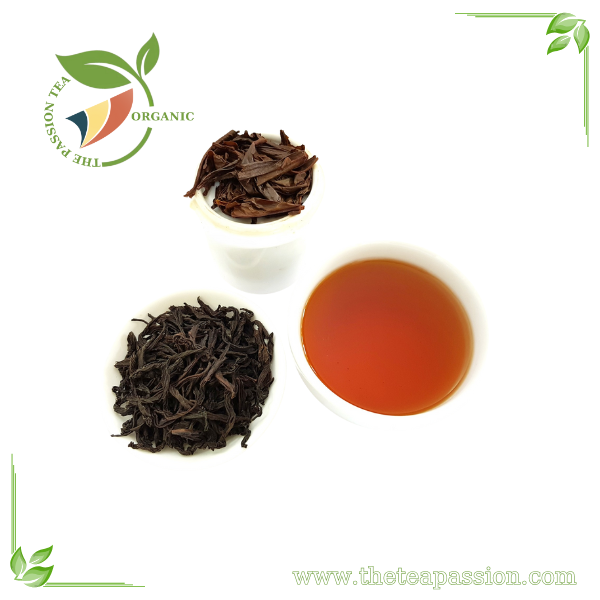
– OP (Orange Pekoe): This refers to a grade of whole-leaf black tea. Contrary to what the name might suggest, “Orange” does not refer to flavor or color but is believed to have originated from the Dutch House of Orange. “Pekoe” refers to the young tea leaves or buds used in production. OP teas consist of long, wiry leaves that are unbroken and carefully processed to preserve their natural structure.
– OP1 (Orange Pekoe 1): This grade is a step above standard OP. It represents a more refined selection of tea leaves, often involving stricter sorting processes to ensure uniformity in size, shape, and quality. OP1 teas are typically thinner and more delicate compared to OP, which can influence their flavor and aroma.

The Key Differences Between OP and OP1
While both OP and OP1 belong to the same general category of high-quality black tea, they differ in several important ways:
1. Leaf Appearance:
– *OP*: The leaves are long and slightly thicker, with a more robust appearance. They may vary slightly in size and shape.
– *OP1*: The leaves are thinner, more uniform, and often exhibit a finer, more elegant appearance due to meticulous sorting.
2. Processing Standards:
– OP1 tea undergoes a more rigorous sorting process than standard OP. This ensures that only the most uniform and high-quality leaves are included in the final product.
3. Flavor Profile:
– *OP*: The flavor tends to be bold and full-bodied, making it an excellent choice for those who enjoy strong black teas. It may have a slightly rougher edge due to the less refined nature of the leaves.
– *OP1*: The taste is smoother, more delicate, and nuanced. It often has subtle floral or fruity notes that are less prominent in standard OP.
4. Brewing Characteristics:
– *OP*: Due to its thicker leaves, OP tea may require slightly longer steeping times to extract its full flavor.
– *OP1*: The thinner leaves of OP1 release their flavors more quickly, resulting in a more refined cup with less bitterness even when brewed for extended periods.
5. Price:
– Because of the additional labor involved in sorting and selecting the finest leaves, OP1 teas are generally more expensive than standard OP teas. However, many tea enthusiasts consider this premium worth it for the superior quality and taste.
Why Does the “1” Matter?
The addition of “1” in OP1 signifies an elevated level of refinement and quality in the tea grading system. It indicates that the tea has been subjected to stricter quality control measures during production. This attention to detail ensures that only the best leaves make it into the final product, resulting in a tea that is more consistent in appearance and flavor.
For connoisseurs who value subtlety and complexity in their tea experience, OP1 offers a more sophisticated option. Its smoother taste and refined characteristics make it ideal for drinking without milk or sugar, allowing its natural flavors to shine through. On the other hand, those who prefer a stronger, more robust cup may find standard OP to be a better fit.

Choosing Between OP and OP1
When deciding between OP and OP1, consider your personal preferences and how you plan to enjoy your tea:
– If you’re looking for an everyday black tea with a strong flavor that pairs well with milk or sweeteners, OP is an excellent choice.
– If you’re seeking a premium tea with a smooth, delicate profile that can be savored on its own or with minimal additions, OP1 is worth exploring.
Additionally, think about how much time you’re willing to dedicate to brewing your tea. While both grades require proper steeping techniques to bring out their best qualities, OP may need slightly more time due to its thicker leaves.
The difference between Black Tea OP and OP1 lies in the details — from leaf appearance to flavor complexity — but these nuances can greatly influence your tea-drinking experience. Whether you’re new to black tea or a seasoned enthusiast, understanding these distinctions can help you make informed choices that align with your taste preferences.
Ultimately, both OP and OP1 represent high-quality black teas that showcase the artistry of traditional tea production. The addition of “1” is not just a numeral, it’s a mark of craftsmanship and refinement that elevates the tea to a new level of excellence. Whether you opt for the boldness of OP or the elegance of OP1, both options promise a delightful journey into the rich world of black tea.
