
Our Quest for the Perfect Tea: From Soil to Sip
Our Quest for the Perfect Tea: From Soil to Sip
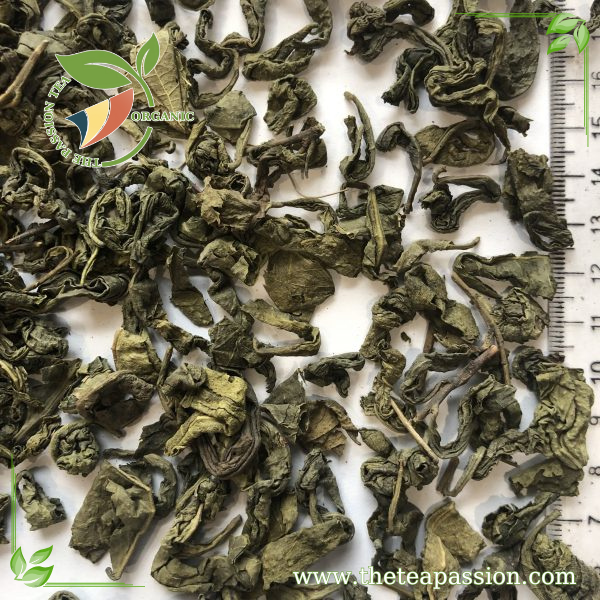
Tea, a timeless beverage cherished across cultures and continents, is more than just a drink-it’s a ritual, a comfort, and an art form. From the misty highlands of Darjeeling to the rolling plantations of Sri Lanka, the journey of tea is one that begins in the soil and culminates in the perfect sip. But what makes a cup of tea truly exceptional? The answer lies in a meticulous process that harmonizes nature, craftsmanship, and science.
The Foundation: Soil and Climate
The journey of tea begins with its roots-literally. The quality of tea starts in the soil where it is grown. Tea thrives in well-drained, slightly acidic soils rich in organic matter. Regions with high altitudes, frequent rainfall, and cool temperatures, such as the foothills of the Himalayas or the volcanic soils of Japan, provide ideal conditions for tea cultivation. These terroir factors-soil composition, elevation, and climate-directly influence the flavor profile of the tea.
For example, Assam teas are known for their bold, malty flavors due to the region’s humid climate and low-altitude plains. Conversely, teas from high-altitude areas like Darjeeling exhibit floral and muscatel notes, a result of slower leaf growth in cooler temperatures. This delicate interplay between environment and plant genetics sets the stage for what’s to come.
Cultivation: The Art of Nurturing
Tea plants, primarily Camellia sinensis, require diligent care throughout their lifecycle. Farmers must strike a balance between natural growth and human intervention to ensure optimal yield and quality. Pruning is essential to encourage new shoots, which are the most tender and flavorful parts of the plant used for tea production.
Sustainable farming practices are increasingly being adopted to preserve the health of the soil and ecosystem. Organic fertilizers, crop rotation, and integrated pest management not only protect the environment but also enhance the purity of the tea leaves. The commitment to sustainability is a growing trend among premium tea producers, as consumers demand products that are both high-quality and environmentally responsible.

Harvesting: Timing is Everything
The timing of tea plucking is critical. Harvest seasons-known as flushes-vary depending on the region and climate. Each flush produces leaves with distinct characteristics. For instance, first flush teas from Darjeeling are prized for their light, floral flavors, while second flush teas are richer and more robust.
Only the top two leaves and a bud are typically plucked by hand to ensure quality. This labor-intensive process requires skill and precision, as over-plucking or mishandling can compromise the integrity of the leaves. The human touch at this stage reflects centuries of tradition passed down through generations.
Processing: Transforming Leaves into Liquid Gold
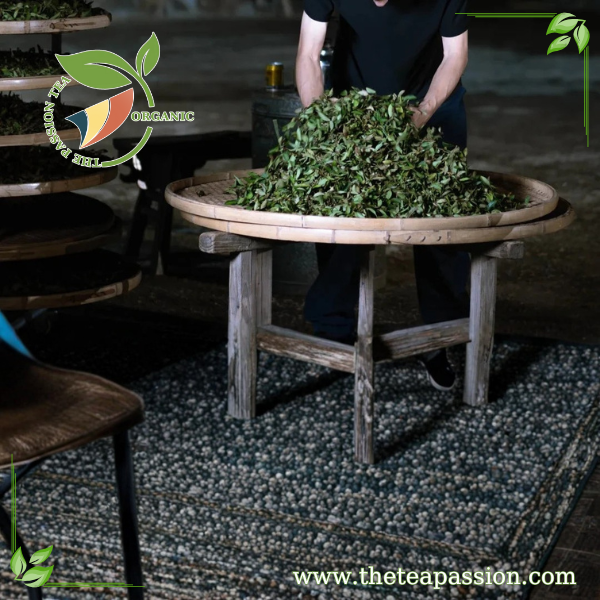
Once harvested, tea leaves undergo a series of processes that determine their final flavor, aroma, and appearance. The primary steps include withering, rolling, oxidation (or fermentation), drying, and sorting. The extent to which each step is carried out varies depending on the type of tea being produced-green, black, white, oolong, or pu-erh.
– Withering: Freshly plucked leaves are spread out to reduce moisture content. This step softens the leaves, making them pliable for rolling.
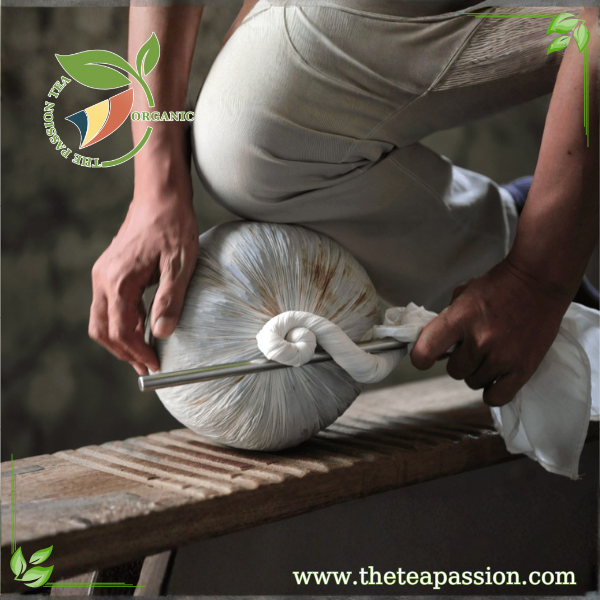
– Rolling: Leaves are rolled to break their cell walls, releasing essential oils that contribute to flavor development.
– Oxidation: This chemical process occurs when enzymes in the leaves react with oxygen. Black teas undergo full oxidation, resulting in their dark color and robust flavor. Green teas are minimally oxidized to preserve their vegetal notes.
– Drying: Heat is applied to stop oxidation and lock in flavor. This step also ensures that the tea can be stored without spoiling.
– Sorting: Finally, leaves are graded based on size and quality before packaging.
Each stage requires precision and expertise to achieve consistency and excellence. Master tea makers oversee these processes with an almost scientific rigor, ensuring that every batch meets exacting standards.
Brewing: The Final Step
Even after meticulous cultivation and processing, the journey of tea isn’t complete until it reaches your cup. Brewing is where science meets personal preference. Factors like water temperature, steeping time, and leaf-to-water ratio all play a role in unlocking the full potential of your tea.
For instance:
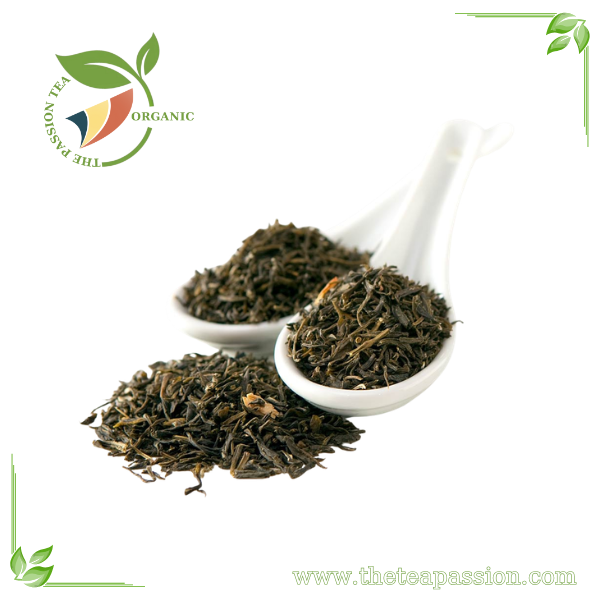
– Green teas require lower water temperatures (around 160–180°F) to preserve their delicate flavors.
– Black teas benefit from hotter water (around 200–212°F) to extract their bold characteristics.
– Oolong teas often fall in between, with steeping temperatures ranging from 180–200°F.
Quality water is equally important. Filtered or spring water free from impurities ensures that nothing detracts from the tea’s natural flavors.
The Essence of Perfection
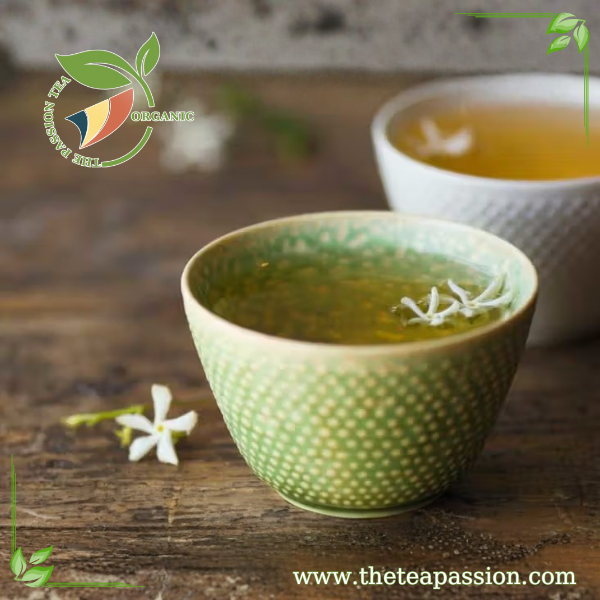
The perfect cup of tea is a symphony of elements-pristine soil, favorable climate, skilled cultivation, precise processing, and mindful brewing. Each step in this intricate chain contributes to the final experience that tea lovers cherish. Whether it’s the brisk energy of a morning Assam or the calming embrace of an evening chamomile blend, every sip tells a story of dedication and harmony between humanity and nature.
As we continue our quest for perfection in tea, it’s worth remembering that this ancient beverage is more than just a product; it’s a testament to craftsmanship, tradition, and sustainability. From soil to sip, tea embodies a journey that connects us to the earth and each other-one cup at a time.
