
FBOP and BOP: differ in particle size and flavor brightness.
FBOP and BOP: Differences in Particle Size and Flavor Brightness

In the world of tea, the terminology used to classify and describe different grades can be both intricate and fascinating. Among the many classifications, FBOP (Flowery Broken Orange Pekoe) and BOP (Broken Orange Pekoe) stand out as two common designations used primarily for black tea. While these labels may seem similar at first glance, they differ significantly in terms of particle size and flavor characteristics. Understanding these distinctions can help tea enthusiasts and professionals alike make informed decisions when selecting teas for consumption, blending, or retail.

What Do FBOP and BOP Stand For?
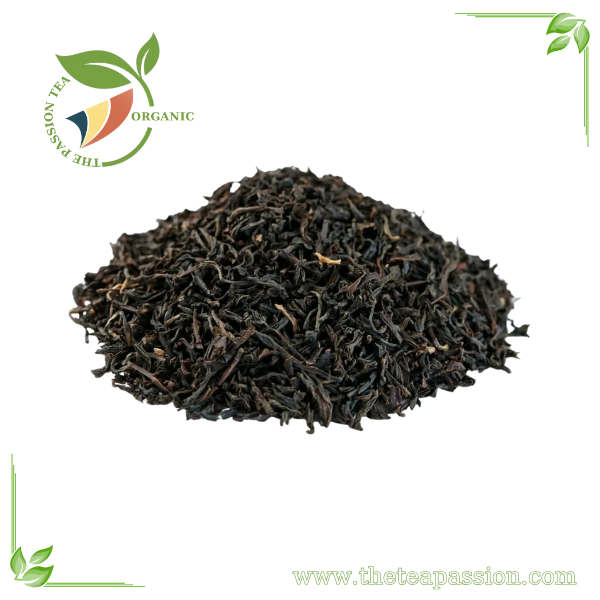
FBOP and BOP are grading terms used to describe the size and quality of processed tea leaves. These grades are part of a larger system developed by the tea industry to categorize leaf sizes and shapes after the leaves have been harvested, withered, rolled, oxidized, and dried.
– FBOP (Flowery Broken Orange Pekoe): This grade refers to broken tea leaves that include a higher proportion of tips or buds—the youngest, most tender parts of the tea plant. The term “flowery” indicates the presence of these golden or silvery tips, which are highly prized for their delicate flavor and aromatic qualities. The word “broken” signifies that the leaves are not whole but have been intentionally broken during processing to create smaller particles.
– BOP (Broken Orange Pekoe): This grade consists of broken tea leaves but typically contains fewer tips compared to FBOP. BOP teas are slightly larger in particle size than FBOP, and their flavor profile tends to be more robust and straightforward. While still considered high-quality, BOP lacks the nuanced complexity associated with the flowery tips found in FBOP.

Key Differences in Particle Size

One of the primary distinctions between FBOP and BOP lies in their particle size. FBOP teas are generally finer, as they include smaller leaf fragments along with the prized tips. The presence of these tips not only enhances the visual appeal of the tea but also contributes to its delicate texture and refined flavor.
On the other hand, BOP teas feature slightly larger leaf particles with fewer tips. The larger size means that BOP teas often produce a stronger brew with more body, making them ideal for those who prefer bold flavors or enjoy tea with milk and sugar.

Flavor Brightness: A Defining Characteristic
Another significant difference between FBOP and BOP is their flavor brightness—a term used to describe the liveliness and clarity of taste in a brewed cup of tea.
– FBOP: The inclusion of flowery tips in FBOP teas imparts a brighter, more aromatic flavor profile. These teas often exhibit floral notes, subtle sweetness, and a smooth finish. The brightness is particularly noticeable when brewed without additives, allowing the natural complexity of the tea to shine through. As a result, FBOP teas are favored by connoisseurs who enjoy drinking black tea in its purest form.
– BOP: While BOP teas may lack the delicate brightness of FBOP, they compensate with a fuller-bodied and more robust flavor. These teas are well-suited for stronger brews and can stand up to milk, sugar, or spices without losing their character. The flavor profile of BOP is typically straightforward, making it a versatile choice for everyday consumption or use in blends.

Applications in Tea Blending and Consumption
The differences in particle size and flavor brightness make FBOP and BOP suitable for distinct applications within the tea industry.
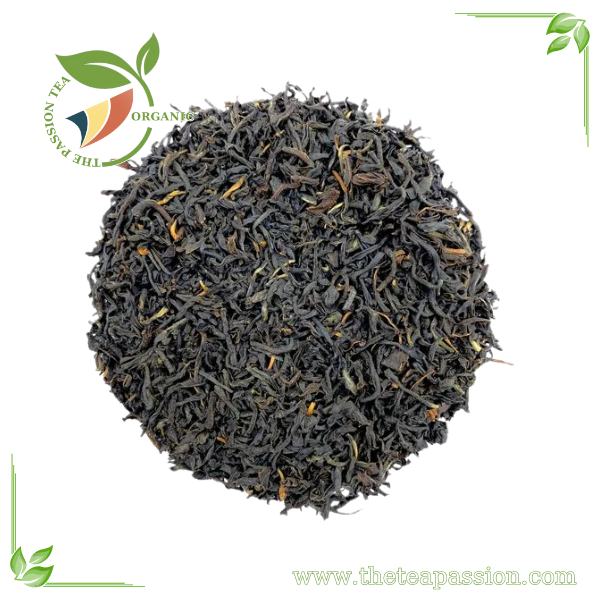
– FBOP: Due to its refined characteristics, FBOP is often used in premium tea blends or sold as a standalone product for discerning consumers. Its bright flavor makes it ideal for enjoying as a hot brew without additional ingredients, allowing the natural complexity to be appreciated fully.
– BOP: The robust nature of BOP makes it a popular choice for blends aimed at creating strong, invigorating cups of tea. It is frequently used in breakfast blends or masala chai recipes, where its boldness complements other ingredients like spices or milk. Additionally, BOP is commonly found in teabags due to its slightly larger particle size, which facilitates faster brewing while maintaining flavor integrity.
FBOP and BOP are two distinct grades of black tea that differ primarily in particle size and flavor brightness. While FBOP offers a finer texture and a more nuanced, aromatic profile, BOP provides a stronger and more straightforward brew suitable for versatile applications. Understanding these differences allows tea professionals and enthusiasts to select the right grade for their specific needs—whether it’s crafting premium blends or enjoying a robust cup of tea with milk and sugar. Both grades hold their own unique appeal, showcasing the diversity and richness inherent in the world of tea.
