
How Does the Fermentation Technology in Black Tea Production Work?
How Does the Fermentation Technology in Black Tea Production Work?
Introduction to Fermentation Technology in Black Tea Production
Fermentation technology is a crucial and decisive step in black tea production, directly affecting the color, aroma, and taste of the final product. Black tea fermentation is essentially the enzymatic oxidation process in tea leaves, transforming polyphenol compounds into new substances that create the characteristic reddish-brown color and rich, mellow aroma. This is a major difference compared to green or oolong teas, which undergo little or no fermentation.
Understanding the fermentation process helps producers control quality, develop products that meet consumer preferences, and increase the economic value of Vietnam’s tea industry.
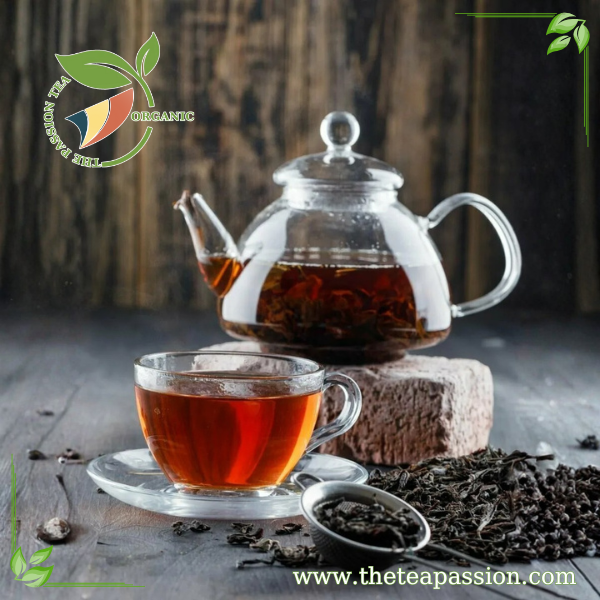
How Does the Fermentation Technology Process in Black Tea Production Work?
The fermentation process in black tea production consists of several carefully controlled technical steps to ensure high-quality products. Below is a detailed description of each stage:
1. Plucking and Withering
Fresh tea leaves are carefully selected, usually young buds or mature leaves, as they contain abundant enzymes and beneficial polyphenol compounds for fermentation. After plucking, the leaves are spread thinly on trays or racks to wither naturally or with the aid of fans.
The purpose of withering is to reduce the moisture content from about 75-80% down to 60-65%, making the leaves softer and easier to roll, while activating the polyphenol oxidase enzyme.
Withering typically lasts from 6 to 12 hours depending on weather conditions and applied technology.
2. Rolling and Bruising
After withering, the tea leaves are fed into rolling machines or manually rolled to rupture the leaf cells. This process allows enzymes to come into contact with polyphenol compounds inside the leaves, initiating oxidation.
Rolling and bruising are critical steps because they determine the degree of oxidation and the final flavor of the tea. Excessive rolling can damage leaves and cause uneven fermentation; insufficient rolling slows oxidation, resulting in a lighter flavor.
3. Fermentation (Enzymatic Oxidation)
The bruised leaves are spread evenly on trays or conveyor belts inside fermentation rooms. The conditions inside these rooms are strictly controlled, usually maintaining a temperature of 25-30°C and high humidity of 90-95% to create an ideal environment for enzyme activity.
During this stage, polyphenol oxidase catalyzes the conversion of catechins (bitter compounds) into theaflavins and thearubigins—two main compounds responsible for black tea’s color and distinctive flavor.
Fermentation time ranges from 1 to 3 hours depending on the tea type and product requirements. The process is closely monitored to avoid over-fermentation that causes sourness or loss of aroma.
4. Drying and Cooling
Once the desired fermentation level is reached, the tea leaves are dried to stop enzymatic activity, preserving color and aroma. Drying typically uses ovens with temperatures from 90-110°C for 15-30 minutes.
Drying also reduces the moisture content below 5%, ensuring long-term storage without mold or spoilage.
After drying, the tea is rapidly cooled to prevent moisture condensation and preserve natural aroma.
5. Sorting and Packaging
The dried tea leaves are sorted by size and quality using sieves or manually. Different sizes are packaged separately to serve various uses, from tea bags to loose-leaf teas.
Proper packaging preserves flavor, prevents moisture absorption, and avoids re-oxidation.
Key Factors Affecting Black Tea Fermentation Technology
Temperature and Humidity of the Fermentation Room
- Temperatures above 35°C kill enzymes, halting oxidation and causing loss of aroma.
- Temperatures below 20°C slow enzyme activity, lengthening fermentation time and causing unbalanced flavor.
- Low humidity causes leaves to dry too quickly, leading to uneven oxidation; excessive humidity promotes mold and spoilage.
Fermentation Time
- Short fermentation (under 1 hour) results in weak aroma and underdeveloped color.
- Over-fermentation (over 3 hours) causes sour taste, unbalanced aroma, and possible tea spoilage.
Quality of Raw Material
- Fresh, young leaves contain more enzymes and polyphenols, resulting in better fermentation and flavor.
- Old or overly withered leaves reduce enzyme activity and negatively affect fermentation.
Rolling Method
- Manual rolling preserves traditional flavor but makes uniform control difficult.
- Mechanical rolling increases productivity and ensures consistent rolling degree and quality.

Black Tea Fermentation Technology in Vietnam and Practical Applications
Vietnam has a long-standing tea production tradition with famous tea regions like Thai Nguyen, Lam Dong, and Ha Giang. Current black tea fermentation technology in Vietnam combines traditional methods with modern machinery to improve quality and productivity.
- Factories invest in fermentation rooms with automated temperature and humidity control systems.
- Technicians continuously monitor fermentation and perform sampling to meet standards.
- Modern drying technology preserves natural aroma and extends shelf life.
As a result, Vietnamese black tea has a distinctive flavor that suits domestic tastes and competes well internationally.
Benefits of Fermentation Technology in Black Tea Production
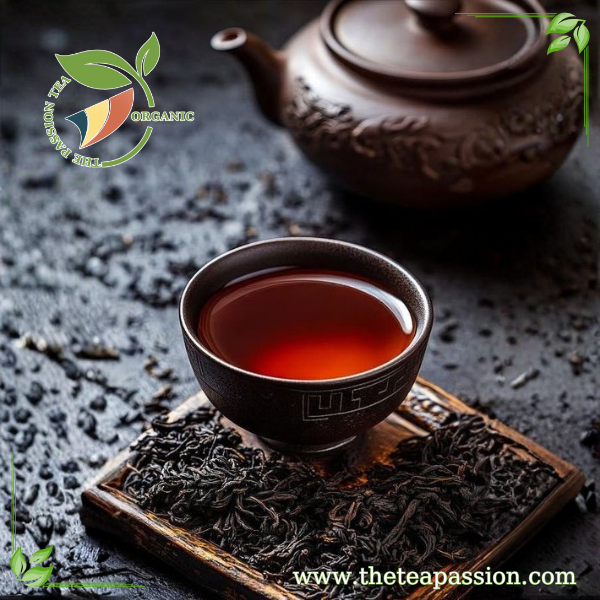
- Attractive color creation: Fermentation produces the characteristic reddish-brown color, making tea visually appealing to consumers.
- Rich aroma development: Theaflavins and thearubigins create a mellow, pleasant aroma distinct from green tea.
- Bitterness reduction: Oxidation reduces bitterness, enhancing sweetness and smooth aftertaste.
- Economic value increase: Black tea’s long shelf life and ease of transport make it suitable for export, increasing product value.
Important Notes When Applying Black Tea Fermentation Technology
- Strictly control temperature and humidity: These are decisive factors for fermentation success.
- Select suitable raw materials: Fresh, young leaves harvested at the right time provide the best fermentation quality.
- Monitor fermentation time: Avoid prolonged fermentation that causes imbalance or short fermentation that results in weak flavor.
- Maintain hygiene: Ensure cleanliness of fermentation rooms and equipment to prevent contamination and mold.
- Regular testing: Measure chemical indices and sensory attributes to adjust the process for each tea batch.
Current Trends in Improving Black Tea Fermentation Technology
- Application of biotechnology: Using microbial starters to control fermentation, creating new and stable flavors.
- Automation of processes: Systems controlling temperature and humidity automatically reduce errors and increase productivity.
- Optimizing fermentation time: Research to shorten the process while maintaining quality.
- Development of organic black tea: Applying fermentation technology with clean, environmentally friendly raw materials.

Fermentation technology in black tea production is both a scientific and artistic process that creates distinctive flavor and brand value. Understanding and controlling the fermentation factors well enables producers to make high-quality black tea products that meet diverse domestic and international market demands.
In Vietnam, with its tradition and potential in tea production, combining modern fermentation technology with traditional expertise will help elevate black tea’s position on the global map.
