
How to Distinguish Natural Black Tea from Blended Black Tea?
How to Distinguish Natural Black Tea from Blended Black Tea?
What is Natural Black Tea?
Natural black tea is made entirely from pure fresh tea leaves, without mixing any artificial ingredients or flavorings. The fermentation and drying processes are carefully controlled to preserve the tea’s characteristic flavor. This tea is harvested from famous tea-growing regions in Vietnam such as Thai Nguyen, Lam Dong, and Ha Giang, where the climate and soil conditions are ideal for producing high-quality leaves.
- After picking, the leaves are withered and gently rolled to break cell structures, facilitating proper fermentation.
- The fermentation process is strictly controlled to create the distinctive reddish-brown color and natural aroma.
- Natural black tea contains no preservatives or synthetic flavorings, ensuring safety for consumers.
- Its flavor is usually rich and smooth, with a subtle bitterness characteristic of naturally fermented fresh leaves.

What is Blended Black Tea?
Blended black tea is produced by combining pure black tea with other ingredients such as lower-quality tea leaves, artificial flavorings, or even different types of tea to enhance flavor or reduce production costs. This blending aims to increase profit or create new flavors but compromises the purity and nutritional value of the tea.
- Synthetic flavorings are often added to create artificial aromas that make the tea more appealing but are unhealthy.
- Blended tea may contain impurities, dust, broken leaf fragments, or even unknown substances.
- Its price is usually much lower than natural black tea, but quality and health benefits are not guaranteed.
- Some blended products also add coloring agents or additives to enhance visual appeal, misleading consumers.
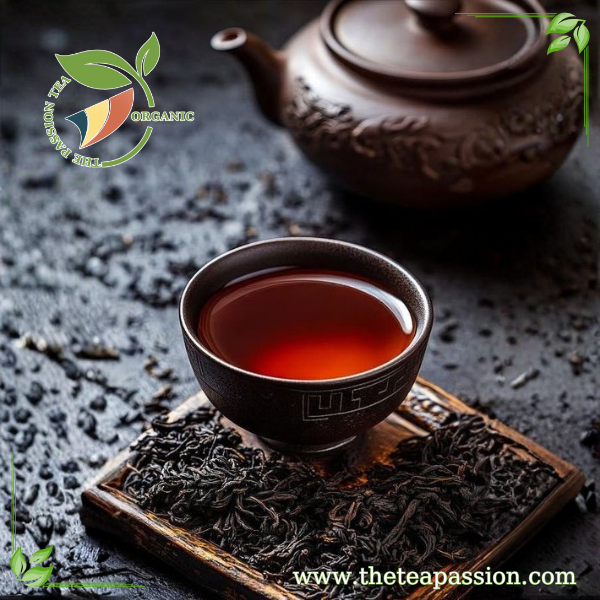
How to Distinguish Natural Black Tea from Blended Black Tea?
You can distinguish natural black tea and blended black tea based on the following factors:
1. Color and Leaf Shape
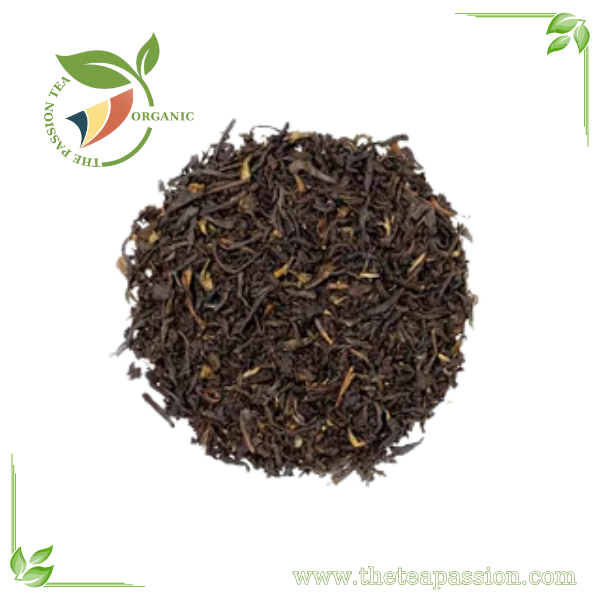
- Natural tea: Leaves are intact, uniformly reddish-brown, with natural texture preserved, without foreign particles. Leaves are usually whole or slightly rolled, not overly crushed.
- Blended tea: Color is uneven, may contain impurities like dust, small stems, or non-tea particles. Leaves may be crushed or mixed with powders or flavorings.
- Careful observation: Natural tea leaves tend to be large and intact, while blended tea often has many tiny fragments or inconsistent pieces.
2. Aroma
- Natural tea: Has a natural, gentle, pure fragrance with a sweet aftertaste, without harsh or chemical odors. The aroma arises from the tea leaves and natural fermentation.
- Blended tea: Aroma can be very strong, sometimes harsh or chemical-like due to synthetic flavorings. Opening the tea bag may reveal artificial or unusual smells not typical of traditional tea.
- Smell test: If possible, smell the tea directly to detect natural or artificial scents.
3. Taste When Brewed
- Natural tea: Rich, balanced flavor with mild bitterness and sweet aftertaste, offering a smooth sensation on the tongue. It provides a pleasant and relaxing drinking experience.
- Blended tea: Taste may be harsh, bitter, or strange due to additives. Usually lacks sweet aftertaste or might have an unpleasant sourness.
- Taste test: Brewing and tasting the tea is the most effective way to differentiate natural and blended tea.
4. Price and Origin
- Natural tea: Generally priced higher due to strict production processes and high-quality raw materials. Information about origin and producer is usually transparent.
- Blended tea: Much cheaper, often lacks clear origin or source information. Consumers find it difficult to verify the real quality.
- Check origin: Purchase from reputable suppliers or those with certifications about the tea-growing region to ensure quality.

Harmful Effects of Using Low-Quality Blended Black Tea
Using low-quality blended black tea with unknown origin or containing synthetic flavorings can cause serious health problems:
- Exposure to harmful chemicals: Synthetic flavorings and preservatives may contain toxic substances affecting the liver, kidneys, and nervous system.
- Allergic reactions or irritation: Some people may be allergic to chemicals or additives in blended tea, causing symptoms like itching, rash, or digestive discomfort.
- Loss of health benefits: Blended tea loses natural antioxidants and beneficial compounds, reducing its protective effects on health.
- Negative impact on taste and experience: Long-term consumption of blended tea may reduce enjoyment and affect healthy tea-drinking habits.
- Risk of poisoning: Some low-quality blended teas may contain impurities or toxins, posing health risks to consumers.
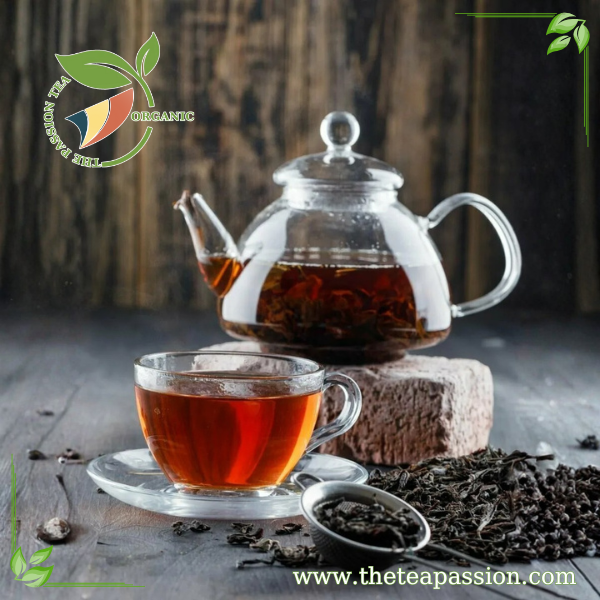
Health Benefits of Natural Black Tea
Natural black tea is not only a refreshing beverage but also offers many health benefits thanks to its natural ingredients and traditional processing:
- Strong antioxidants: Black tea contains polyphenols and antioxidants that help prevent cellular aging and reduce the risk of chronic diseases.
- Supports digestion: Compounds in tea stimulate digestion, reduce bloating, and assist metabolism.
- Lowers bad cholesterol: Studies show regular black tea consumption can reduce LDL cholesterol levels, protecting cardiovascular health.
- Boosts immune system: Compounds in black tea enhance immunity and fight pathogens.
- Enhances alertness and focus: Moderate caffeine content in black tea increases alertness and concentration without overstimulation like coffee.
- Reduces diabetes risk: Some studies suggest black tea helps regulate blood sugar and improve insulin sensitivity.
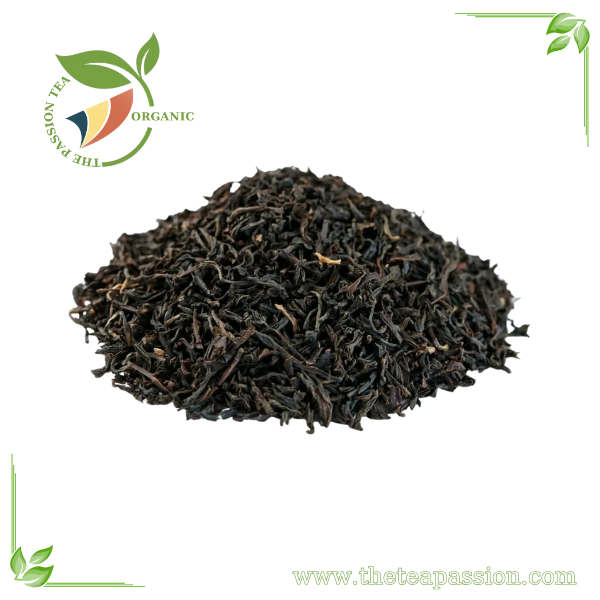
How to Choose Quality Natural Black Tea
To ensure you buy quality natural black tea, consider the following:
- Choose reputable brands: Prefer manufacturers with long-standing reputations, food safety certifications, and clear origin information.
- Check color and aroma: Tea color should be uniform; aroma should be natural without chemical or strange odors.
- Examine packaging and labels: Packaging should include origin, production date, expiration date, and storage instructions.
- Buy from specialized tea shops or trusted traditional markets: Avoid purchasing from unclear sources to reduce quality risks.
- Taste test: If possible, brew and taste the tea before buying in bulk.
- Research the growing region: Prioritize tea from famous regions like Thai Nguyen, Lam Dong, and Ha Giang for guaranteed quality.
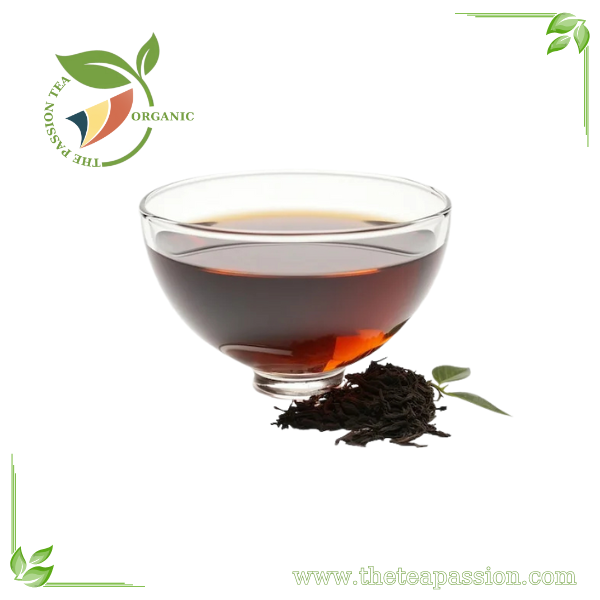
Tips for Proper Storage of Natural Black Tea
Proper storage helps preserve the quality and flavor of natural black tea:
- Store in a dry, cool place: Avoid direct sunlight and humid areas that cause mold.
- Seal packaging tightly after use: Use airtight containers or vacuum bags to prevent oxidation.
- Keep away from strong odors: Tea easily absorbs smells, so avoid storing near spices or chemicals.
- Store at room temperature: Avoid refrigeration due to moisture that can spoil the tea.
- Avoid prolonged air exposure: This helps preserve aroma and reduces oxidation.
Why Prioritize Natural Black Tea?
Choosing natural black tea not only ensures quality but also protects long-term health:
- Ensures safety: Free from harmful chemicals or preservatives.
- Preserves traditional values: Maintains authentic flavor and nutritional value of Vietnamese traditional tea.
- Supports sustainable agriculture: Encourages clean, eco-friendly tea production.
- Provides authentic tea experience: Natural, balanced flavor that relaxes and satisfies.
- Contributes to local economic development: Buying natural tea helps farmers and tea-growing regions develop sustainably.

Quality Standards for Natural Black Tea in Vietnam
Vietnam has various standards and regulations to ensure natural black tea quality:
- VietGAP standard: Ensures safe, environmentally friendly production without harmful chemicals.
- Organic certification: Some tea-growing areas are certified organic, avoiding chemical fertilizers and pesticides.
- Quality testing: Tea products are tested for chemical residues, heavy metals, and food safety parameters.
- Clear origin: Reputable natural tea products provide information on growing regions, producers, and harvest dates.
Distinguishing natural black tea from blended black tea is essential for consumers to select safe, high-quality products that benefit health. By observing color, aroma, taste, and origin information, you can easily identify and avoid low-quality blended teas. Prioritize natural black tea from famous Vietnamese tea regions to fully enjoy the flavor and health benefits tea offers.
