
Is Drinking Black Tea for Sleep a Good Idea? Expert Advice
Is Drinking Black Tea for Sleep a Good Idea? Expert Advice

When it comes to improving sleep quality, many people turn to natural remedies and beverages. Among these, tea is often a popular choice, celebrated for its calming properties and soothing effects. However, not all teas are created equal when it comes to promoting restful sleep. Black tea, in particular, raises questions about its suitability as a pre sleep drink. Below, we explore expert insights on whether drinking black tea before bedtime is a good idea.

Understanding Black Tea
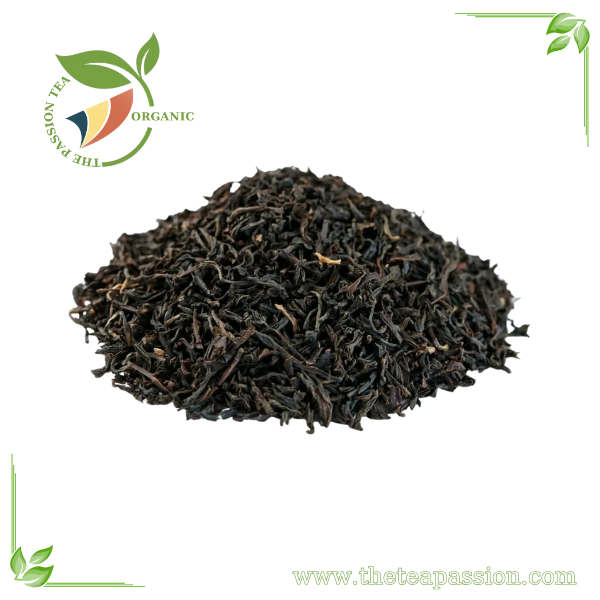
Black tea is one of the most commonly consumed teas worldwide. Derived from the leaves of the *Camellia sinensis* plant, black tea undergoes full oxidation during processing, which gives it its characteristic bold flavor and dark color. It is rich in antioxidants such as flavonoids and contains moderate levels of caffeine.
Caffeine is a natural stimulant that can enhance alertness, improve focus, and combat fatigue. While these effects are desirable during the day, they may not be ideal for individuals seeking better sleep at night.

The Role of Caffeine in Sleep Disruption
The primary concern with drinking black tea before bed is its caffeine content. A standard 8 ounce cup of black tea typically contains around 40 70 milligrams of caffeine, depending on factors like brewing time and tea quality. For comparison, an average cup of coffee contains roughly 95 milligrams of caffeine.
Caffeine works by blocking adenosine receptors in the brain. Adenosine is a neurotransmitter that promotes relaxation and sleepiness. By inhibiting its effects, caffeine can delay the onset of sleep, reduce total sleep time, and lower sleep quality.
For individuals who are sensitive to caffeine or those who already struggle with insomnia, drinking black tea in the evening may exacerbate sleep difficulties. Experts generally recommend avoiding caffeinated beverages 4 6 hours before bedtime to minimize potential sleep disruptions.

Black Tea and Individual Sensitivities
It’s important to note that caffeine tolerance varies from person to person. Some individuals metabolize caffeine more quickly due to genetic factors, allowing them to consume caffeinated beverages later in the day without significant effects on their sleep. Others may experience heightened sensitivity, even to small amounts of caffeine.
If you’re considering drinking black tea before bed, it’s essential to assess your personal tolerance to caffeine. If you notice difficulty falling asleep or staying asleep after consuming black tea in the evening, it may be best to switch to a caffeine free alternative.

Decaffeinated Black Tea: A Viable Alternative?
For those who enjoy the taste of black tea but want to avoid its stimulating effects, decaffeinated black tea is an option worth exploring. Decaffeinated teas undergo a process to remove most of their caffeine content while retaining much of their flavor and antioxidant properties.
While decaffeinated black tea may not be entirely caffeine free — trace amounts of caffeine can remain after processing — it is significantly lower in caffeine compared to regular black tea. This makes it a more suitable choice for nighttime consumption.
Herbal Teas for Better Sleep
If your goal is to improve sleep quality, herbal teas may be a better option than black tea. Unlike black tea, herbal teas are typically caffeine free and often contain natural compounds that promote relaxation and calmness. Popular herbal teas for sleep include:
1. Chamomile Tea: Known for its mild sedative effects, chamomile contains apigenin, an antioxidant that binds to certain receptors in the brain to promote relaxation.
2. Peppermint Tea: While primarily consumed for digestive health, peppermint tea’s soothing properties can also help prepare the body for rest.
3. Lavender Tea: Lavender is widely recognized for its calming aroma and ability to reduce stress and anxiety.
4. Valerian Root Tea: This herbal tea has been used for centuries as a natural remedy for insomnia and anxiety.
5. Lemon Balm Tea: A member of the mint family, lemon balm is known for its ability to reduce stress and improve sleep quality.

Tips for Better Sleep Hygiene
While your choice of beverage can play a role in promoting restful sleep, it’s just one piece of the puzzle. Adopting healthy sleep habits is equally important. Here are some expert recommended tips:
Establish a Consistent Sleep Schedule: Going to bed and waking up at the same time every day helps regulate your body’s internal clock.
Create a Relaxing Bedtime Routine: Engage in calming activities before bed, such as reading, meditating, or taking a warm bath.
Limit Screen Time: Reduce exposure to blue light from phones, tablets, and computers at least an hour before bedtime.
Avoid Heavy Meals and Alcohol: Eating large meals or consuming alcohol close to bedtime can interfere with your ability to fall asleep.
Optimize Your Sleep Environment: Ensure your bedroom is cool, dark, and quiet to create an ideal setting for rest.

While black tea offers numerous health benefits, such as improved heart health and antioxidant support, it may not be the best choice for promoting sleep due to its caffeine content. If you enjoy black tea but are concerned about its impact on your rest, consider switching to decaffeinated black tea or exploring herbal alternatives specifically designed to aid relaxation and sleep.
Ultimately, understanding your body’s unique response to caffeine and making mindful choices about your evening routine can go a long way in achieving better sleep. If you continue to struggle with sleep issues despite making these changes, consult a healthcare professional for personalized advice and support.
