
Modern Machinery Used in Black Tea Processing?
Modern Machinery Used in Black Tea Processing
Black tea processing is a complex procedure that requires close coordination from leaf plucking to packaging. Modern machinery plays a crucial role in improving the quality and productivity of black tea production while preserving its distinctive flavor and ensuring food safety. This article provides a detailed analysis of advanced machines used in the black tea processing line in Vietnam, focusing on technologies suitable for local production conditions.

1. Withering Machine: The Core of Raw Material Preparation
The withering machine is the first device in the modern black tea processing line. It reduces the moisture content in fresh tea leaves from about 75-80% to 60-65%, creating favorable conditions for the subsequent fermentation process.
Role and Operating Principle
- Uniform moisture reduction: The machine uses fans and precise temperature control to wither the tea leaves evenly, avoiding over- or under-withering.
- Temperature and humidity control: Typically maintains temperatures between 25-30°C and relative humidity of 65-70% to keep leaves soft but not brittle.
- Varied capacities: Ranges from small machines for household use to large industrial machines processing hundreds of kilograms per batch.
Benefits of Using Modern Withering Machines
- Stabilizes leaf quality before fermentation.
- Enhances oxidation efficiency due to optimal moisture content.
- Shortens withering time compared to traditional methods.

2. Rolling Machine: Stimulating Natural Fermentation
The rolling machine is the next essential device in black tea processing. It breaks the cell structure of tea leaves, allowing enzymes to contact oxygen and promoting oxidation reactions that create the characteristic flavor.
How the Rolling Machine Works
- Adjustable rolling force: Ensures leaves are rolled just enough, preventing excessive crushing that can degrade nutrients and aroma.
- Rotor and blade design: Ensures even and rapid rolling of tea leaves.
- Flexible speed and duration: Suitable for different types of tea and production requirements.
Impact on Tea Quality
- Increases oxidized polyphenol content, intensifying tea flavor.
- Ensures even fermentation, producing the characteristic red color.
- Retains natural fragrance and delicate taste.

3. Fermentation Machine: Precise Control of Oxidation Process
Fermentation is the decisive step for the final quality of black tea. Modern fermentation machines create a stable environment, precisely controlling temperature, humidity, and fermentation time.
Features of Modern Fermentation Machines
- Automatic control system: Sensors monitor temperature and humidity to maintain optimal conditions throughout the process.
- Sealed fermentation chamber: Prevents contamination and external pollution.
- Flexible fermentation time: From 2 to 5 hours depending on tea type and production goals.
Effects on Product Quality
- Develops rich, smooth tea flavor.
- Produces a characteristic deep red liquor.
- Minimizes human error, enhancing consistency.
4. Drying Machine: Preserving Flavor and Quality
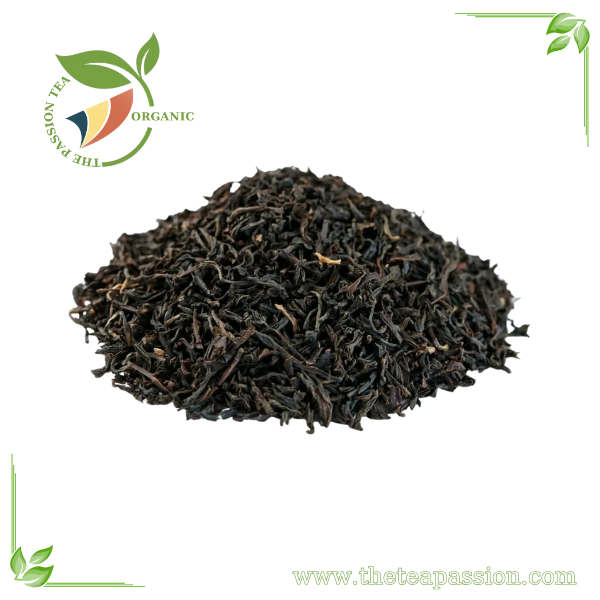
After fermentation, tea must be dried for long-term preservation. Modern drying machines use convection heat or vacuum drying technology to maintain natural aroma and color.
Common Drying Technologies
- Convection drying: Uses circulating hot air for fast, even drying.
- Vacuum drying: Preserves aroma and prevents excessive oxidation, suitable for premium teas.
Advantages of Modern Dryers
- Saves energy and time compared to traditional drying.
- Retains polyphenols and essential oils.
- Produces crisp tea leaves that are easy to store.
5. Sorting and Packaging Machines: Optimizing Final Product Quality
Sorting machines separate tea by size and remove impurities such as stems and substandard leaves. Automatic packaging machines help preserve tea quality, improve appearance, and enhance consumer convenience.
Sorting Machine Features
- Uses vibration and sieving technology for precise separation.
- Effectively removes impurities.
- Sorts tea leaves uniformly by size.
Modern Packaging Machines
- Automatic weighing and packaging to standard amounts.
- Moisture-proof and oxidation-resistant packaging.
- Integrated printing of dates and barcodes to boost brand value.

6. Overall Benefits of Applying Modern Machinery in Black Tea Processing
- Increased productivity: Reduces processing time and increases output.
- Stable quality: Minimizes variability caused by human factors.
- Cost savings: Reduces labor costs and material waste.
- Food safety: Closed, hygienic processes reduce contamination risk.
- Enhanced competitiveness: Products meet export standards and domestic market demands.

7. Reputable Black Tea Processing Machinery Brands in Vietnam
Popular machinery brands in Vietnam often originate from famous tea regions such as Thai Nguyen, Lam Dong, and Ha Giang.
- Thai Nguyen machinery: Known for durability and suitability for small to medium-scale production.
- Lam Dong equipment: Focuses on advanced drying and fermentation technologies.
- Imported European and Japanese machines: Commonly used in large factories meeting international standards.

8. Future Trends in Black Tea Processing Machinery
- High automation: Integration of AI and IoT for precise monitoring and control.
- Energy efficiency: Adoption of green, eco-friendly technologies.
- Flexible customization: Machines adaptable to various tea types and production scales.
- Integrated management systems: Data connectivity for optimized operation and maintenance.

Applying modern machinery in black tea processing not only enhances product quality but also optimizes production processes, reduces costs, and increases market competitiveness. From withering machines, rolling machines, fermentation chambers to drying and packaging equipment, each device plays an essential role in the value chain of Vietnam’s black tea industry. Investing in appropriate technology will help tea producers develop sustainably and meet growing demands both domestically and internationally.
