
Orthodox Black Tea Pekoe, OP, OPA: Differences in Grade and How to Brew for the Right Flavor
Orthodox Black Tea Pekoe, OP, OPA: Differences in Grade and How to Brew for the Right Flavor
 , OP, OPA: Differences in Grade and How to Brew for the Right Flavor
Orthodox black tea has long been celebrated for its rich flavors, nuanced aromas, and artisanal production methods. Among its many classifications, the terms Pekoe, OP (Orange Pekoe), and OPA (Orange Pekoe A) often surface, leaving tea enthusiasts curious about their differences and how these grades influence the brewing process. In this article, we’ll explore the distinctions between these grades and provide guidance on how to brew each for the best flavor experience.
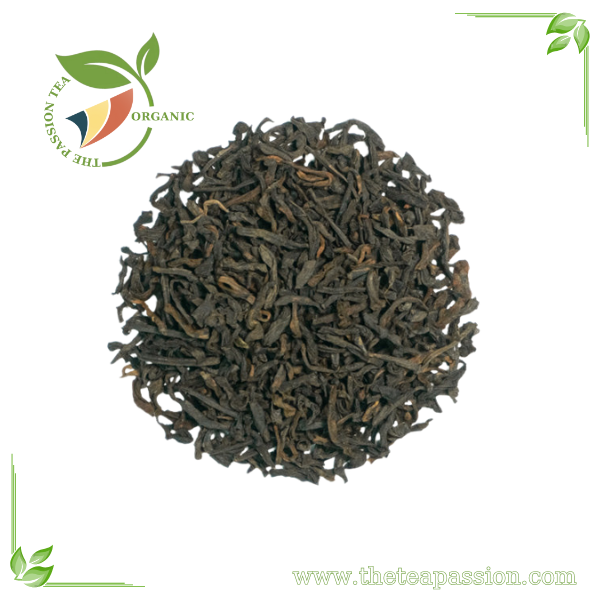
What is Orthodox Black Tea?
Orthodox black tea refers to tea that is processed using traditional methods, including withering, rolling, oxidizing, and drying. This careful process preserves the integrity of the tea leaves and allows for a broader range of flavors compared to the more industrialized CTC (Crush-Tear-Curl) method. The result is a high-quality tea that is prized for its complexity and depth.
Orthodox teas are graded based on the size and quality of the leaves, which is where terms like Pekoe, OP, and OPA come into play. These grades do not refer to flavor but rather to the physical characteristics of the tea leaves.
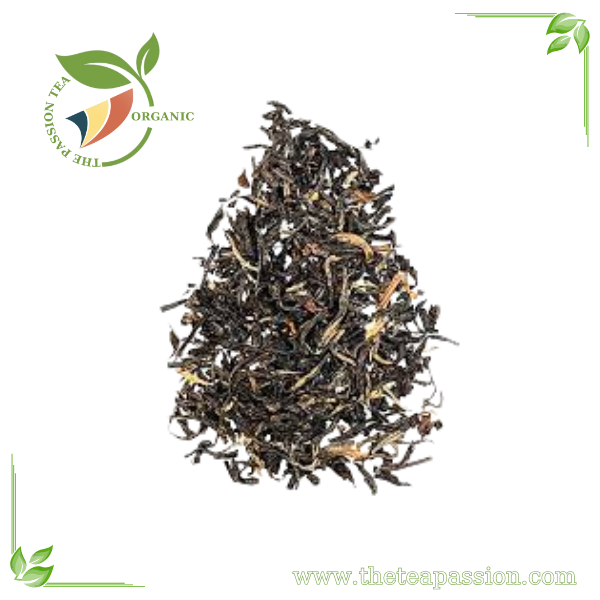
Understanding Pekoe, OP, and OPA Grades
1. Pekoe
Pekoe is one of the foundational grades in orthodox tea classification. The term originates from the Chinese word “pak-ho,” meaning “white down,” which refers to the fine hairs on young tea leaves. Pekoe-grade teas are made from young leaves and buds, yielding a delicate flavor profile with subtle floral notes. The leaves are relatively small compared to higher grades like OP or OPA.
Flavor Profile: Pekoe teas often have a light body with mild astringency and a soft, smooth finish. They are ideal for those who enjoy a gentler black tea experience.
2. OP (Orange Pekoe)
Orange Pekoe is perhaps the most commonly recognized grade in orthodox black tea. Despite its name, it has no connection to oranges or citrus flavors. The “orange” in Orange Pekoe is believed to originate from the Dutch House of Orange, symbolizing high quality. OP grade consists of whole leaves that are slightly larger than Pekoe leaves. These leaves are plucked from the second or third leaf on the tea plant.
Flavor Profile: OP teas are well-balanced, offering a medium body with a robust yet smooth flavor. They often exhibit malty undertones and can be enjoyed with or without milk.
3. OPA (Orange Pekoe A)
OPA represents a higher grade of Orange Pekoe and features larger, more open leaves. These leaves have undergone minimal breaking during processing, allowing them to retain their full structure. OPA teas are often visually striking due to their long, wiry appearance.
Understanding Orthodox Black Tea Grades: Pekoe, OP, and OPA, and How to Brew for Optimal Flavor
Orthodox black tea is celebrated worldwide for its rich flavors, complex aromas, and artisanal production methods. Among the many facets that influence the quality and character of this tea, one of the most significant is its grading. Terms like Pekoe, OP (Orange Pekoe), and OPA (Orange Pekoe A) are commonly used to describe grades of orthodox black tea, but they can be confusing to those unfamiliar with tea terminology. In this article, we’ll explore what these grades signify and how to brew each type to bring out its best flavor.
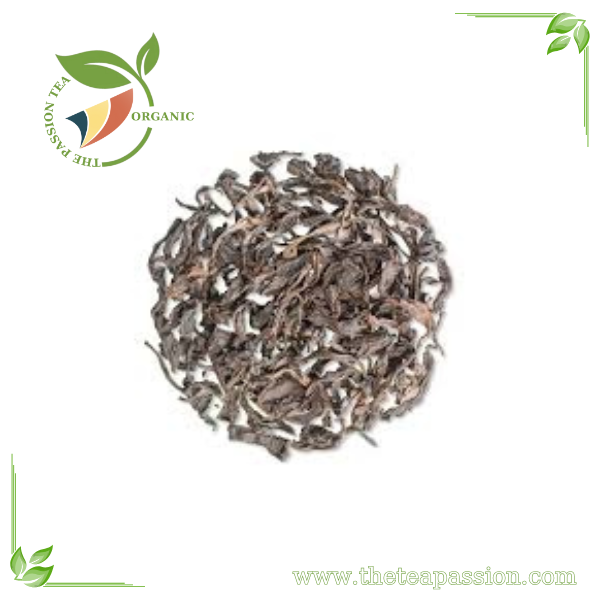
Understanding Orthodox Black Tea Grades
Orthodox tea refers to tea that is processed using traditional methods, which include withering, rolling, oxidation, and drying. Unlike the mechanized production of CTC (Crush, Tear, Curl) teas, orthodox tea retains the integrity of whole leaves, resulting in a more nuanced flavor profile.
1. Pekoe
The term “Pekoe” originates from the Chinese word “baihao,” which refers to the fine white hair found on young tea buds. Pekoe is a general term in tea grading that often refers to whole leaves or leaves with buds. It can also serve as a base grade for further classification. Pekoe leaves are generally smaller and more delicate compared to other grades.
2. OP (Orange Pekoe)
Contrary to popular belief, “Orange” in Orange Pekoe has nothing to do with flavor or color. The term is thought to have originated from the Dutch House of Orange-Nassau or as a marketing term to indicate high quality. OP refers to long, whole tea leaves without tips or buds. These leaves are slightly larger than Pekoe leaves and are known for their clean, smooth flavor with mild astringency.
3. OPA (Orange Pekoe A)
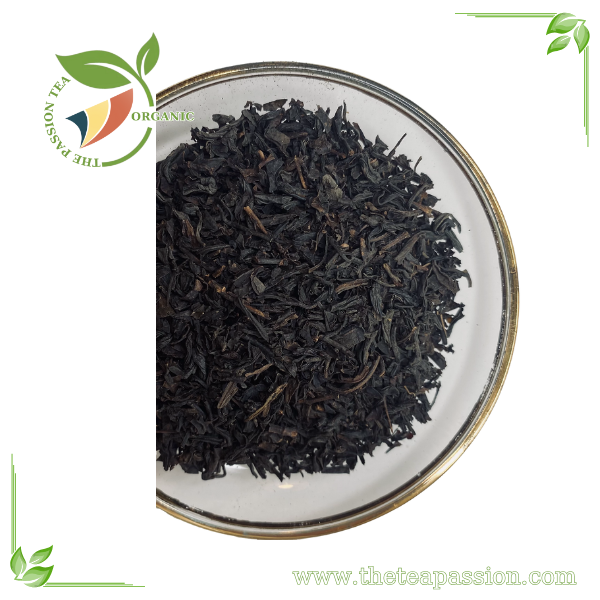
OPA is a grade that features even larger leaves than OP. These leaves are often more loosely rolled and may have a slightly lighter flavor profile. OPA teas tend to be mellow and aromatic, making them an excellent choice for those who prefer a less robust cup of tea.
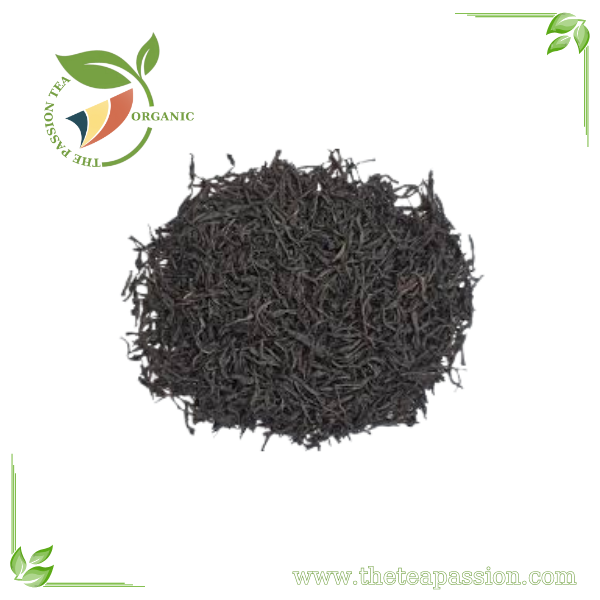
Key Differences Between Pekoe, OP, and OPA
| Grade | Leaf Size | Flavor Profile | Appearance |
|-||–||
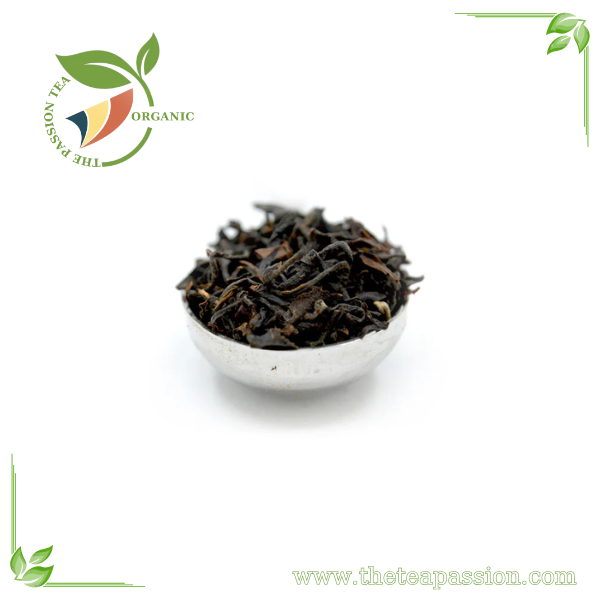
| Pekoe | Small and delicate | Rich, bold, and slightly brisk | Tightly rolled small leaves |
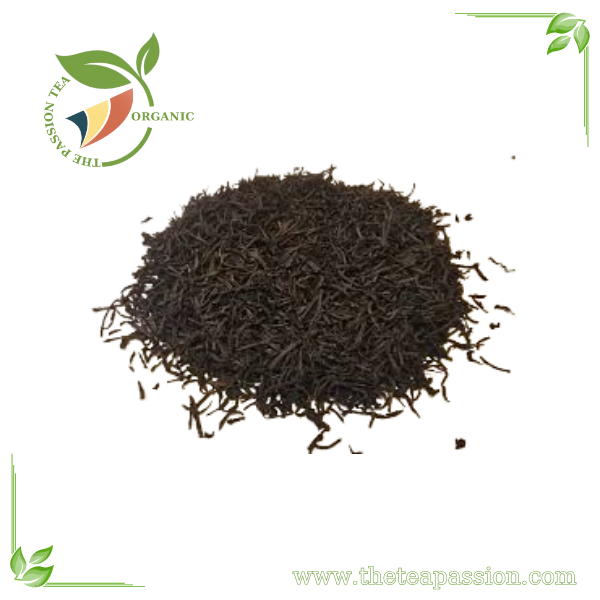
| OP | Medium-sized | Smooth, clean, and mildly astringent | Long and thin whole leaves |
| OPA | Large and loose | Mellow, aromatic, and less robust | Loosely rolled large leaves |
The primary difference lies in the size and appearance of the leaves, which directly impacts the flavor intensity and brewing characteristics. Smaller leaves like those in Pekoe release their flavor more quickly during steeping, resulting in a stronger cup. Larger leaves like those in OPA take longer to infuse but yield a more subtle and nuanced flavor.
How to Brew Each Grade for the Right Flavor
Brewing orthodox black tea isn’t just about adding hot water—it’s an art that requires attention to detail. Here’s how you can brew each grade to achieve the perfect cup:
1. Brewing Pekoe
– Water Temperature: 90–95°C (194–203°F)
– Tea-to-Water Ratio: 1 teaspoon per 200 ml of water
– Steeping Time: 2–3 minutes
– Flavor Notes: Pekoe’s smaller leaves release their flavors quickly, so it’s important not to over-steep. This tea offers a bold and brisk taste with a hint of natural sweetness.
2. Brewing OP (Orange Pekoe)
– Water Temperature: 90–95°C (194–203°F)
– Tea-to-Water Ratio: 1 teaspoon per 200 ml of water
– Steeping Time: 3–4 minutes
– Flavor Notes: OP’s medium-sized leaves require slightly longer steeping to fully develop their flavors. The result is a smooth and balanced cup with mild astringency and a clean finish.
3. Brewing OPA (Orange Pekoe A)
– Water Temperature: 90–95°C (194–203°F)
– Tea-to-Water Ratio: 1 heaping teaspoon per 200 ml of water
– Steeping Time: 4–5 minutes
– Flavor Notes: Due to its larger leaves, OPA benefits from a longer steeping time. The resulting brew is light, aromatic, and mellow—perfect for those who enjoy a less intense black tea experience.
Tips for Enhancing Your Tea Experience
1. Use Fresh Water: Always use fresh, filtered water for brewing tea. The quality of water significantly impacts the flavor of the final cup.
2. Preheat Your Teapot or Cup: Pouring hot water into a cold vessel can lower the brewing temperature. Preheat your teapot or cup by rinsing it with hot water before adding your tea.
3. Experiment with Steeping Times: While guidelines are helpful, personal taste preferences vary. Start with the recommended steeping time and adjust as needed.
4. Avoid Over-Steeping: Over-steeping can make your tea bitter due to excess tannin release. Be mindful of the time and strain your tea promptly.
5. Storage Matters: Store your tea in an airtight container away from light, heat, and moisture to preserve its freshness and flavor.
Orthodox black tea grades like Pekoe, OP, and OPA offer a fascinating glimpse into the world of tea craftsmanship. Each grade brings unique characteristics to the table, from the boldness of Pekoe to the smoothness of OP and the delicate aroma of OPA. By understanding their differences and following proper brewing techniques, you can unlock the full potential of these exceptional teas.
Whether you’re a seasoned tea enthusiast or a curious newcomer, exploring these grades can elevate your appreciation for orthodox black tea and deepen your connection to this timeless beverage. So brew yourself a cup, savor the intricate flavors, and enjoy the artistry that goes into every leaf.
