
Should You Choose Black Tea in Leaf or Powder Form?
Should You Choose Black Tea in Leaf or Powder Form? Advantages and Disadvantages Explained
Black tea is one of the most popular types of tea worldwide, loved for its rich flavor and health benefits. However, when choosing black tea, many people wonder whether to opt for leaf or powder form. Each form has its own strengths and limitations. This article will analyze in detail black tea in leaf and powder forms to help you make the best decision based on your needs and preferences.

What Is Black Tea in Leaf Form?
Black tea in leaf form is made from whole tea leaves that have undergone full fermentation to produce the characteristic dark color and rich flavor. After drying, the tea leaves retain their shape, either whole or slightly broken depending on processing methods. This is the traditional and common form enjoyed at home and in tea shops.
- Tea leaves preserve natural essential oils, contributing to a strong and long-lasting aroma.
- Leaf black tea usually brews into a deep reddish color with a mild astringency and lasting sweetness.
- Tea drinkers can re-steep the same leaves multiple times, each infusion offering a different flavor for a diverse experience.

Processing Steps of Black Tea Leaves
The production of black tea leaves involves plucking, withering, rolling, fermentation, drying, and packaging. The fermentation step is crucial to develop the tea’s color and flavor.
- Leaves are gently rolled to break cell walls, allowing enzymes to interact with oxygen and start oxidation.
- Fermentation occurs under controlled temperature and humidity to avoid over-fermentation or bitterness.
- After fermentation, leaves are dried to stop oxidation and preserve the tea for storage.

What Is Black Tea in Powder Form?
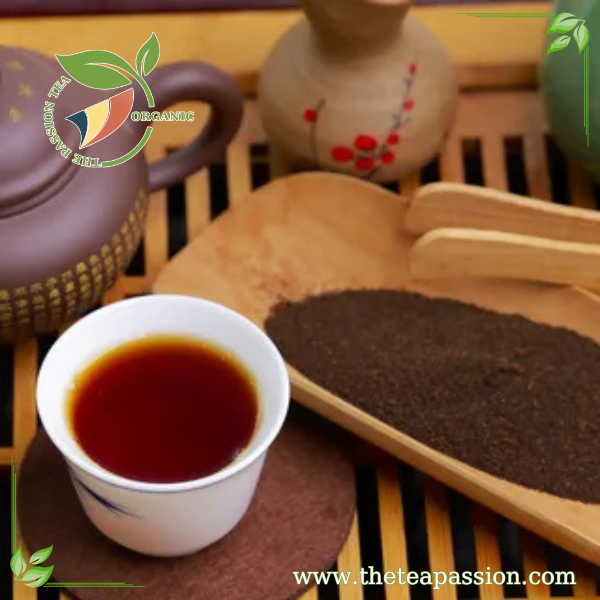
Black tea powder is black tea that has been ground into a fine powder. This form is widely used in the food and beverage industry, such as in milk tea, iced tea, or quick-mix drinks.
- Powdered tea dissolves easily in hot water, saving brewing time.
- It is convenient for packaging, storage, and transportation.
- Usually produced from broken leaves or leftover tea solids after processing leaf tea.

Production Process of Black Tea Powder
- Selected black tea leaves or broken tea are ground using specialized mills.
- The powder is sifted to ensure uniform fineness without impurities.
- It is then packed tightly to avoid moisture and light exposure, preserving flavor.

Advantages of Black Tea in Leaf Form
- Natural, refined flavor: Leaf tea retains essential oils and the distinctive aroma of pure tea leaves. The taste is rich with a pleasant, lingering sweetness without harshness.
- Multiple infusions possible: One portion of leaf tea can be steeped several times, each infusion providing varied flavors, saving cost and enriching the experience.
- Optimal health benefits: Leaf tea retains cellular structure and antioxidants like polyphenols and flavonoids, enhancing health benefits.
- Traditional tea experience: Brewing leaf tea offers relaxation and the art of tea preparation, ideal for those who appreciate Vietnamese and global tea culture.
- Variety of types: Leaf tea comes in many varieties from famous regions such as Thai Nguyen, Lam Dong, Ha Giang, each with unique flavor profiles.

Disadvantages of Black Tea in Leaf Form
- Longer brewing time: It takes 3-5 minutes to brew, less convenient for busy people or those seeking quick drinks.
- Requires specialized brewing tools: Good leaf tea brewing needs teapots, strainers, or Yixing clay pots, not always available.
- Storage sensitivity: Leaf tea easily absorbs moisture and loses aroma if not stored airtight and away from humidity or direct light.
- Less portable: Leaf tea occupies more space and is less convenient to carry than powder.

Advantages of Black Tea in Powder Form
- Quick and convenient brewing: Simply dissolve in hot water to drink immediately, suitable for modern, busy lifestyles.
- Ideal for beverage preparation: Powdered tea is perfect for milk tea shops, iced tea, and industrial drink manufacturing.
- Easy storage and transport: Compact and lightweight, sealed packaging extends shelf life.
- Usually more affordable: Due to different production and packaging processes, powdered tea can be more competitively priced.
- Versatile brewing methods: Can be brewed with hot or cold water, or used as an ingredient in other drinks.
Disadvantages of Black Tea in Powder Form
- Loss of natural aroma: Grinding reduces essential oils and the tea’s distinctive fragrance.
- Single-use only: Powdered tea is used once and cannot be re-steeped like leaf tea.
- Risk of impurities: Low-quality powder may contain fillers or contaminants if not carefully sourced.
- Less immersive experience: Powdered tea lacks the traditional tea appreciation ritual.
- Easier oxidation: Larger surface area exposes powder to air, risking quicker flavor deterioration if not stored properly.

Detailed Comparison Between Black Tea Leaf and Powder
| Criteria | Black Tea Leaf | Black Tea Powder |
|---|---|---|
| Flavor | Rich, long-lasting aroma | Milder, fades quickly |
| Brewing time | 3-5 minutes | Under 1 minute |
| Number of infusions | Multiple infusions possible | Single-use only |
| Convenience | Needs brewing tools | Quick and tool-free |
| Drinking experience | High, traditional | Low, modern |
| Storage | Requires dry, airtight place | Easy to store, compact |
| Price | Generally higher | Generally lower |
| Safety | High if from reputable sources | Needs careful source checking |

Which Should You Choose: Black Tea Leaf or Powder?
Choosing between black tea leaf and powder depends on personal preferences, usage purpose, brewing time, and storage conditions.
- If you enjoy traditional tea drinking, want a rich flavor, have time and proper brewing tools, black tea leaf is ideal.
- If you seek convenience, quick brewing, or need tea for beverage preparation, black tea powder is more suitable.
You can also combine both forms for different occasions to maximize benefits.

How to Brew Delicious Black Tea Leaf
- Prepare ingredients: Use 3-5 grams of black tea leaves per 200 ml of water.
- Water temperature: Use water at about 90-95°C; avoid boiling water at 100°C to prevent bitterness.
- Steeping time: Pour hot water over leaves and steep for 3-5 minutes according to taste preference.
- Serving: Pour tea into cups promptly to avoid over-steeping and bitterness.
- Re-steeping: Leaves can be re-steeped 2-3 times, increasing steeping time gradually.

How to Brew Black Tea Powder
- Amount: Use about 1-2 grams of tea powder per 200 ml of water.
- Water temperature: Use water at 80-90°C.
- Method: Dissolve tea powder in hot water, stirring well until fully dissolved.
- Consumption: Drink immediately to enjoy optimal flavor.

Tips for Buying Quality Black Tea
- Clear origin: Prefer tea from famous regions like Thai Nguyen, Lam Dong, Ha Giang.
- Sealed packaging: Tea should be tightly packed to avoid moisture and light exposure.
- Color and aroma: Leaf tea should be glossy black with minimal broken bits; powder should be fine and free of strange odors.
- Quality certifications: Choose products with food safety certifications like ISO or VietGAP.
- Check expiration: Avoid buying expired or long-stored tea.

Health Benefits of Black Tea
Black tea contains many beneficial compounds such as:
- Antioxidants: Polyphenols help prevent aging and chronic diseases.
- Caffeine: Enhances alertness and concentration.
- Minerals: Support electrolyte balance and bodily functions.
- Digestive aid: Stimulates digestion and lowers cholesterol.

Why Is Thai Nguyen Black Tea Famous?
- Thai Nguyen’s climate is cool and humid, with nutrient-rich basalt soil ideal for tea cultivation.
- Traditional processing combined with modern techniques produces distinctive aroma and sweet aftertaste.
- Thai Nguyen black tea is highly rated for quality, favored domestically and exported abroad.
Choosing black tea leaf or powder depends on your usage needs and preferences. Leaf tea suits those who appreciate traditional tea experiences, have brewing time and tools. Powder tea suits busy people needing convenience or industrial use. Whichever you choose, prioritize quality tea with clear origin to ensure best flavor and health benefits.
