
What Are the Steps in the Black Tea Processing Procedure?
What Are the Steps in the Black Tea Processing Procedure?
1. What is black tea and why is the processing procedure important?
Black tea (also called red tea in some regions) is a fully fermented tea that produces a dark reddish color and a rich, strong aroma. Compared to other teas like green tea or oolong tea, black tea undergoes complete oxidation (fermentation), which creates its unique flavor and color.
Why is the processing procedure important?
- The process determines the quality, flavor, and color of the tea.
- Controlling time and temperature in each step helps retain maximum tea essence.
- Ensures the tea does not spoil, mold, or lose its natural aroma.
- Affects the shelf life and storage capability of the final product.
2. What are the steps involved in black tea processing?
The main steps in black tea processing are:
2.1 Plucking the tea leaves
- Typically, mature young leaves (not too young, not too old) are selected.
- Leaves are usually picked early in the morning when they are fresh and have high essential oil content.
- Leaves must be processed quickly to avoid wilting or deterioration.
2.2 Withering
- Tea leaves are spread thinly on trays or drying floors in a well-ventilated area at about 25-30°C.
- The goal is to reduce leaf moisture content from around 75-80% to about 60-65%.
- This softens the leaves, making them easier to roll and stimulates oxidation.
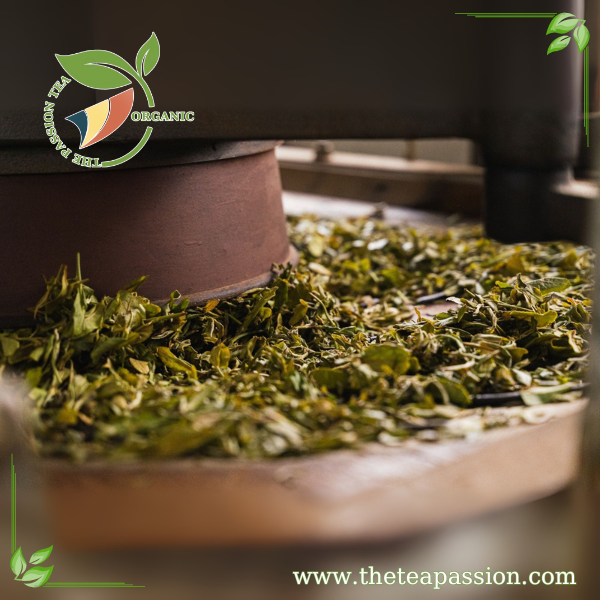
2.3 Rolling
- Leaves are gently rolled or crushed to break cell structures, allowing enzymes to contact oxygen.
- This step accelerates the oxidation process.
- Rolling can be done manually or by machine.
2.4 Oxidation (Fermentation)
- Leaves are evenly spread and kept under controlled temperature and humidity.
- Oxidation usually lasts from 1 to 3 hours depending on conditions and desired tea type.
- This is the most critical step that determines the characteristic color and flavor of black tea.
- Leaves change from green to reddish-brown, and aroma develops.
2.5 Drying
- After oxidation, leaves are dried to stop the fermentation process.
- Typically dried at 90-110°C until moisture content reaches about 3-5%.
- This step preserves the tea for long-term storage, preventing mold and maintaining flavor.
2.6 Sorting and Packaging
- Finished tea leaves are sorted by size and quality.
- Then packed in airtight, moisture-proof packaging for preservation.
3. Detailed explanation of each step in black tea processing
3.1 How to pluck tea leaves to ensure quality?
- Select mature young leaves, usually the 2nd or 3rd leaf from the bud.
- Pick early in the morning when dew is still present; avoid wet leaves.
- Harvest quickly to prevent bruising or damage.
3.2 What is the purpose of withering?
- Reduces moisture to soften leaves.
- Stimulates enzyme activity preparing for oxidation.
- Helps retain freshness and initial aroma.
3.3 How to roll tea leaves effectively?
- Roll gently to break cells without crushing leaves excessively.
- Rolling usually takes 15-30 minutes depending on equipment and scale.
- Releases polyphenols, precursors to flavor compounds.
3.4 How does oxidation occur?
- Leaves are spread evenly in a ventilated place at 20-30°C and 90-95% humidity.
- Polyphenol oxidase enzymes react with oxygen, converting catechins into theaflavins and thearubigins – compounds responsible for color and flavor.
- Oxidation lasts 1-3 hours, monitored by observing leaf color turning reddish-brown.
3.5 What should be noted during drying?
- Drying temperature must be high enough to stop enzyme activity but not burn the leaves.
- Leaves should be stirred regularly for even heat distribution.
- Final moisture content must meet standards to prevent mold.
4. Factors affecting black tea quality during processing
- Raw material quality: Fresh, correct leaf type, harvested at the right time.
- Withering conditions: Temperature, humidity, and duration affect flavor.
- Rolling and oxidation techniques: Time and method impact fermentation.
- Drying temperature and time: Determines final moisture and flavor.
- Post-processing storage: Packaging and storage environment prevent spoilage.
5. Tips for home or small-scale black tea processing
- Use fresh, clean, pest-free tea leaves.
- Wither in a ventilated area, avoiding direct sunlight.
- Roll gently to avoid leaf damage.
- Control oxidation time by monitoring leaf color.
- Dry thoroughly to ensure long storage life.
- Package airtight and store in a cool, dry place.
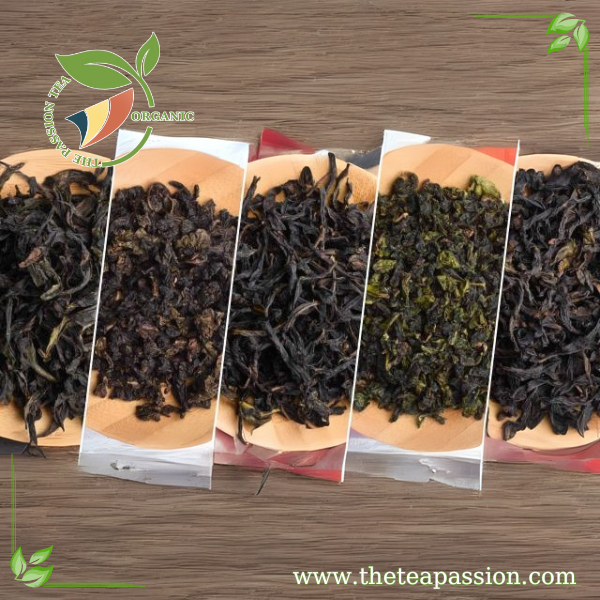
The black tea processing procedure involves meticulous steps from plucking, withering, rolling, oxidation to drying and packaging. Each step plays a vital role in creating the distinctive aroma, color, and quality of black tea. Understanding and correctly performing these steps helps producers make flavorful black tea that retains nutritional value and natural fragrance for a long time.
