
What Is the Future Development Direction of Black Tea?
What Is Black Tea?
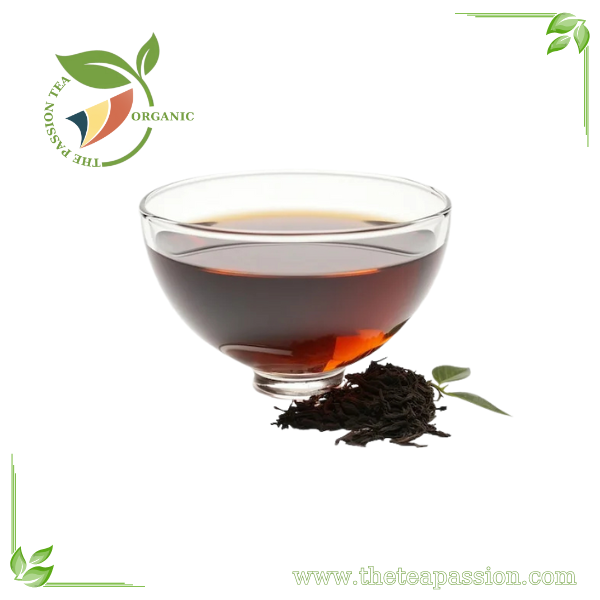
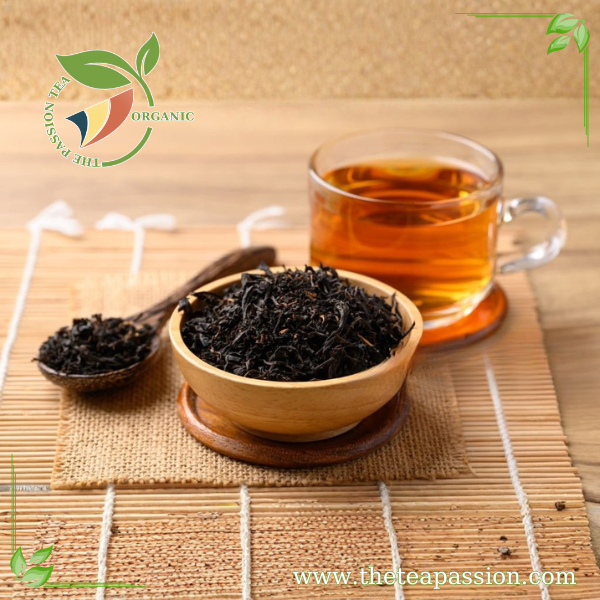
Black tea is a fully fermented tea that produces a dark color and rich flavor, widely favored for its stimulating effects and distinctive aroma. It is one of the most popular teas worldwide, especially in markets such as Vietnam, India, Sri Lanka, and the United Kingdom. The fermentation process transforms polyphenols in tea leaves, creating a robust taste and unique fragrance different from green or oolong tea.

Why Is Black Tea Increasingly Popular in the Global Market?
Black tea attracts consumers for several reasons:
- Distinctive flavor: Bold, slightly sweet taste with a lasting aftertaste, suitable for diverse palates and versatile in preparation.
- Health benefits: Scientific studies show black tea contains antioxidants that boost immunity, improve digestion, and enhance mental alertness.
- Natural consumption trend: Modern consumers prefer natural, minimally processed, and health-beneficial products, with black tea as a top choice.
- Convenience: Black tea has a longer shelf life compared to other teas, fitting fast-paced and varied consumption needs.

What Future Trends Will Shape the Development of Black Tea?
1. Sustainable and Environmentally Friendly Development
In the context of climate change and rising environmental awareness, black tea producers will focus on sustainability:
- Organic cultivation: Applying clean agricultural techniques without harmful pesticides or chemical fertilizers.
- Biodiversity protection: Preserving ecosystems around tea plantations and promoting natural predators.
- Biodegradable packaging: Using recyclable or biodegradable materials to reduce plastic waste.
- Certifications and standards: Obtaining organic and Fair Trade certifications to increase product value and consumer trust.
2. Product Diversification and Creative Blending
Creativity in black tea products will be key to expanding the market:
- Flavor blending: Combining black tea with herbs such as chrysanthemum, cinnamon, ginger, or dried fruits to enrich flavors.
- Convenient products: Cold brew black tea, bottled tea, and premium tea bags suitable for busy lifestyles.
- Milk tea combinations: The growth of bubble tea and other milk-based drinks made from black tea attracts younger consumers.
- Functional products: Black tea enhanced with vitamins, minerals, or herbal extracts to offer specific health benefits.
3. Application of Technology in Production and Distribution
Technology plays an increasingly important role in the black tea industry:
- Quality control: Using advanced analytical equipment to measure chemical components, ensuring product consistency and safety.
- Traceability: Applying blockchain technology to enable consumers to verify origin and production processes easily.
- Automation in processing: Reducing errors and increasing productivity while preserving the unique flavor of tea.
- Online sales: E-commerce and social media channels help expand markets and reach customers quickly and effectively.
4. Enhancing Cultural Value and Customer Experience
The black tea industry will develop by linking traditional cultural values and customer experience:
- Tea events: Organizing tea ceremonies, seminars, and exhibitions to promote Vietnamese tea culture.
- Tea tourism: Developing experiential tours in famous tea regions such as Thai Nguyen, Lam Dong, and Ha Giang.
- Premium brands: Creating special black tea collections with unique stories to attract connoisseurs and high-end customers.
- Community engagement: Building tea-loving communities on digital platforms to share knowledge and experiences.

Black Tea Compared to Other Teas: Strengths and Challenges
Strengths of Black Tea
- Rich flavor: Suitable for many tastes and easy to prepare in various ways.
- Long shelf life: Maintains quality longer than green or oolong teas.
- Wide market: Popular in many countries, especially in Europe, Asia, and North America.
- Versatility: Easily combined with other ingredients to create new products.
Challenges of Black Tea
- Competition with green and herbal teas: Health-focused teas like green and herbal teas are heavily promoted.
- High quality demands: Consumers increasingly demand clean, safe products with transparent origins.
- Changing tastes: Younger generations tend to prefer more diverse and novel beverages.
- Climate change: Affects tea yield and raw material quality.
How Can Black Tea Businesses Seize Future Development Opportunities?
- Research and development: Invest in R&D to create new products and diversify flavors and packaging.
- High standards: Produce according to organic and clean standards to meet premium market demand.
- Brand building: Ensure transparency in origin and quality along with compelling brand stories to build trust.
- Leverage technology: Use traceability tech, automate production, and develop online sales channels.
- Enhance experience: Combine cultural activities, tourism, and events to create unique brand impressions.

Is High-Quality Black Tea Production Expensive?
Initial investment for high-quality black tea production is usually higher due to:
- Modern technology and equipment: Investing in quality control machines and automated processing.
- Clean raw materials: Organic raw materials cost more due to strict cultivation processes.
- Skilled workforce: Requires technicians and managers with high expertise.
- Eco-friendly packaging: Biodegradable packaging materials are generally more expensive.
- Marketing and branding: Professional promotion and brand development require significant funding.
However, this investment is offset by higher product prices, sustainable market share, and long-term brand reputation.
The Importance of Developing Black Tea in Vietnam
Vietnam has a long-standing tea cultivation tradition with famous tea regions like Thai Nguyen, Lam Dong, and Ha Giang. Developing the black tea sector not only enhances agricultural product value but also:
- Creates jobs: Supports farmers’ livelihoods and local economic development.
- Promotes Vietnamese culture: Introduces Vietnamese tea culture to the world.
- Contributes to exports: Expands international markets and increases foreign currency earnings.
- Develops tourism: Creates ecotourism and cultural experience destinations.
Future Consumption Trends of Black Tea
- Personalized consumption: Consumers seek products tailored to their tastes and specific health needs.
- Technology-integrated tea: Use of smart tea brewing devices for convenience.
- Mixed beverages: Black tea combined with coffee, milk, or syrups to create new drinks.
- Functional black tea products: Enhancing health, reducing stress, and aiding digestion.

The future of black tea is bright, filled with opportunities for sustainable development, product diversification, and modern technological applications. Both businesses and consumers benefit from these trends while contributing to environmental protection and preserving Vietnam’s traditional cultural values. To succeed, the black tea industry must continuously innovate, improve quality, and build strong, trustworthy brands. This is a golden opportunity for Vietnamese black tea enterprises to seize and expand into international markets.
