
What Makes the Best Black Tea? Expert Tips and Reviews
What Makes the Best Black Tea? Expert Tips and Reviews
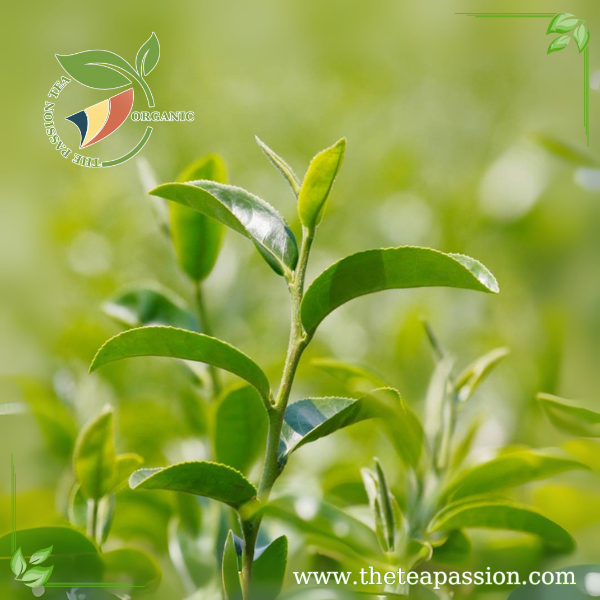
Black tea is one of the most beloved beverages worldwide, cherished for its bold flavors, versatility, and energizing properties. Whether you enjoy it plain, with milk and sugar, or infused with spices, black tea offers a rich and satisfying experience. But what truly defines the “best” black tea? From sourcing and processing to brewing and tasting, several factors contribute to the quality of this timeless drink. Here, we’ll explore expert insights and reviews to help you identify and enjoy the finest black teas available.

1. Understanding Black Tea
Black tea is fully oxidized, which gives it its characteristic dark color and robust flavor. Unlike green or white teas, which are minimally processed, black tea undergoes a series of steps wilting, rolling, oxidation, and drying that enhance its complexity. The result is a tea that can range from malty and sweet to smoky and astringent, depending on its origin and processing method.

2. Key Factors That Define Quality
When evaluating black tea, experts recommend paying attention to the following criteria:
a. Origin
The region where the tea is grown has a significant impact on its flavor profile. Some of the most renowned black teas come from:
– India: Assam teas are known for their strong, malty character, while Darjeeling teas offer floral and muscatel notes.
– China: Chinese black teas like Keemun and Lapsang Souchong are prized for their smoothness and unique smoky or fruity flavors.
– Sri Lanka (Ceylon): Ceylon teas are bright and brisk, often with citrusy undertones.
– Kenya: Kenyan teas are robust and full-bodied, often used in blends like English Breakfast.
b. Grade of Tea Leaves
The grading system for black tea provides insight into its quality:
– Whole-leaf teas (e.g., FTGFOP Finest Tippy Golden Flowery Orange Pekoe) are typically of higher quality, offering more nuanced flavors.
– Broken-leaf or fannings are smaller pieces often used in tea bags. While convenient, they may lack the complexity of whole-leaf teas.
– Dust-grade tea is the lowest quality, usually reserved for mass-market tea bags.
c. Processing Techniques
The way tea leaves are handled during production can make or break the final product. Careful oxidation is crucial for developing the desired flavor profile, while improper drying can lead to a burnt or flat taste.
d. Freshness
Freshness is key to a good cup of black tea. Over time, exposure to air, light, and moisture can degrade the flavor. Always store your tea in an airtight container away from heat and sunlight.

3. Brewing Tips for Maximum Flavor
Even the best black tea can fall flat if not brewed properly. Follow these expert tips to ensure a perfect cup every time:
– Water Temperature: Use water just off the boil (around 200–212°F or 93–100°C). Too cool, and the flavors won’t fully develop; too hot, and you risk bitterness.
– Steeping Time: Most black teas should steep for 3–5 minutes. Over-steeping can result in an overly astringent brew.
– Tea-to-Water Ratio: Use one teaspoon (about 2 grams) of loose-leaf tea per 8 ounces (240 ml) of water for optimal strength.
– Quality Water: Since water makes up the majority of your cup, use filtered or spring water for the best results.
4. Top Black Teas to Try
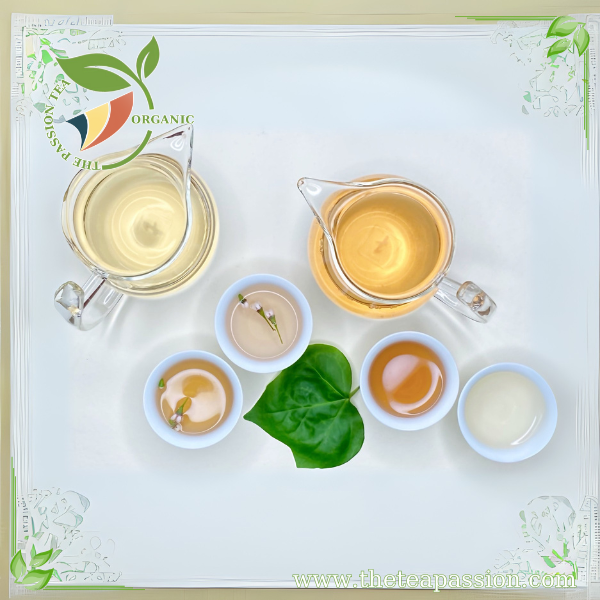
Based on expert reviews and consumer feedback, here are some standout black teas to consider:
a. Assam Black Tea
Known for its malty richness and full-bodied flavor, Assam black tea is a favorite for breakfast blends. It pairs beautifully with milk and sugar but is equally enjoyable on its own.
b. Darjeeling First Flush
Often referred to as the “Champagne of Teas,” Darjeeling first flush offers delicate floral notes with hints of muscatel grapes. It’s best enjoyed without milk to appreciate its subtlety.
c. Keemun
This Chinese black tea is renowned for its smooth texture and complex notes of honey, fruit, and a hint of smokiness. It’s an excellent choice for those who prefer a refined cup.
d. Earl Grey
A classic flavored black tea infused with bergamot oil, Earl Grey is perfect for those who enjoy a citrusy twist to their brew. High-quality versions use natural bergamot for a more authentic taste.
e. Lapsang Souchong
For adventurous palates, Lapsang Souchong offers a distinctive smoky flavor achieved through pinewood drying. It’s an acquired taste but highly rewarding for those who enjoy bold teas.

5. Blends vs. Single-Origin Teas
When choosing black tea, you’ll encounter both single-origin varieties and blends:
– Single-Origin Teas: These come from a specific region or estate and offer unique characteristics reflective of their terroir.
– Blends: Popular options like English Breakfast or Irish Breakfast combine teas from multiple regions to create a consistent flavor profile.
Both options have their merits single-origin teas are ideal for exploring unique flavors, while blends often provide a reliable everyday cup.

6. Sustainability and Ethical Sourcing
As consumers become more conscious of their impact on the planet, sustainability and ethical sourcing have become important considerations when choosing black tea. Look for certifications like Fair Trade, Rainforest Alliance, or Organic to ensure that your tea was produced responsibly.

7. Conclusion: Finding Your Perfect Cup
The best black tea ultimately depends on your personal taste preferences and how you plan to enjoy it. Whether you prefer the malty strength of Assam or the delicate complexity of Darjeeling, there’s a world of options to explore. By understanding the factors that contribute to quality origin, leaf grade, processing techniques, and freshness you’ll be well-equipped to select a black tea that suits your palate.
Remember that brewing also plays a crucial role in unlocking the full potential of your tea leaves. With proper preparation and attention to detail, you can elevate your tea-drinking experience from ordinary to extraordinary.
So go ahead brew yourself a cup of black tea and savor the richness that has captivated tea lovers for centuries!
