
Why Does Black Tea Have Its Distinctive Color and Flavor?
Why Does Black Tea Have Its Distinctive Color and Flavor?
Black tea is one of the most popular and widely consumed types of tea worldwide, especially in Vietnam and many Asian countries. Its characteristic dark reddish-brown color and rich, deep flavor are the results of a special processing method combined with natural factors and traditional techniques. This article delves into the reasons behind the distinctive color and flavor of black tea from scientific, processing, and cultural perspectives.

1. What is Black Tea and How Does Full Fermentation Affect Its Color and Flavor?
Black tea is made from fresh green tea leaves that undergo full fermentation. Unlike green tea (non-fermented) and oolong tea (partially fermented), black tea is processed so that enzymes in the leaves completely convert polyphenols into new compounds.
- Fermentation process: After harvesting, tea leaves are withered to soften, then gently rolled to break cell structures. They are then spread under controlled temperature and humidity to allow polyphenol oxidase enzymes to catalyze the oxidation of polyphenols.
- Fermentation duration: Typically lasts from 1 to 3 hours depending on the tea type and processing conditions.
- Result: Polyphenols are oxidized into theaflavins, thearubigins, and other compounds, creating black tea’s characteristic color and flavor.
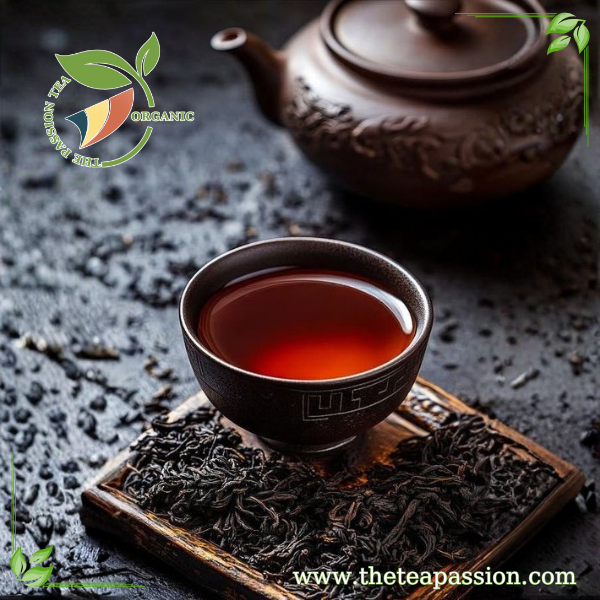
As a result, the tea leaves turn dark reddish-brown, the brewed tea has a deep reddish-brown color, and the flavor becomes richer and more complex than other teas.

2. Chemical Compounds Determining Black Tea’s Color and Flavor
2.1. Theaflavins and Thearubigins – The Main Compounds
- Theaflavins: These polyphenolic compounds have a reddish-yellow color, imparting a bright red hue to the tea liquor. Theaflavins also contribute a slight astringency that balances the sweet aftertaste in black tea.
- Thearubigins: These compounds have a dark brown color, increasing the tea’s body and providing a smooth, sweet finish. Thearubigins usually occur in higher amounts than theaflavins in black tea.
The balance between theaflavins and thearubigins determines the shade and intensity of the tea’s color and flavor. A higher theaflavin content results in a brighter red color and mild astringency, while more thearubigins create a darker color and pronounced sweetness.
2.2. Other Aromatic Compounds
- Aldehydes, esters, phenols: Formed during fermentation and drying, these compounds create complex aromas such as honey, dried fruits, and subtle woody notes.
- Other compounds: Amino acids, sugars, and volatile substances also enhance the tea’s aromatic complexity.

3. Why Does Black Tea Have a Red or Dark Brown Color?
The color of black tea is the outcome of chemical reactions between polyphenols and enzymes during fermentation.
- Oxidation reactions: Polyphenols oxidize to form compounds ranging in color from bright red to dark brown.
- Fermentation parameters: Duration and temperature directly affect the final color. Longer fermentation and higher temperatures produce a darker brew.
- Leaf quality: Young, fresh leaves rich in polyphenols yield brighter colors and better flavor.
For example, black tea from Thái Nguyên in Vietnam often has a bright red color, while black tea from Lâm Đồng tends to be darker due to differences in processing and terroir.

4. Where Does Black Tea’s Distinctive Flavor Come From?
4.1. Fermentation Creates Complex Flavors
- Mild astringency: Provided by theaflavins, balancing sweetness and preventing blandness.
- Sweet aftertaste: Thearubigins and other compounds create a lingering sweetness after drinking.
- Aroma: Aromatic compounds like aldehydes and esters produce scents reminiscent of honey, fruit, or light wood.
4.2. Influence of Growing Region and Climate
- Thái Nguyên: Black tea with delicate flavor, gentle aroma, and bright red liquor.
- Lâm Đồng: Stronger, richer black tea with darker liquor and intense aroma.
- Hà Giang: Characteristic flavor blending astringency and sweetness, with a bright liquor.
4.3. Impact of Drying and Storage Techniques
- Proper drying preserves natural aroma and prevents burnt flavors.
- Sealed storage away from moisture and light maintains flavor longevity.
5. How to Brew Black Tea Properly to Preserve Its Color and Flavor
To fully enjoy black tea’s color and flavor, proper brewing is essential.
- Water temperature: Use water heated to about 90-95°C; avoid boiling water at 100°C to prevent bitterness.
- Tea-to-water ratio: Approximately 2-3 grams of tea per 150-200 ml of water.
- Brewing time: 3 to 5 minutes; avoid over-brewing to prevent harshness.
- Multiple infusions: Black tea can be brewed 2-3 times with slight flavor variations.

6. Proper Storage of Black Tea
- Store in a dry, cool place: Avoid direct sunlight and high humidity.
- Keep in airtight containers: Prevent absorption of odors and preserve aroma.
- Avoid heat sources: High temperatures accelerate flavor degradation.

7. Comparing Vietnamese Black Tea and International Black Tea
| Criteria | Vietnamese Black Tea | International Black Tea |
|---|---|---|
| Growing regions | Thái Nguyên, Lâm Đồng, Hà Giang | Assam (India), Ceylon (Sri Lanka), Darjeeling |
| Tea liquor color | Bright red to dark brown | Dark reddish-brown, deep red |
| Flavor profile | Delicate, sweet aftertaste, balanced | Strong, pronounced astringency, sometimes bold |
| Processing method | Traditional handcraft | Industrial and handcrafted |
| Distinctive traits | Natural aroma, balanced flavor | Robust flavor, often paired with milk |

8. History and Culture of Black Tea in Vietnam
Black tea is not just a beverage but a cultural element in Vietnam. In many regions, black tea is served during festivals, guest receptions, or daily enjoyment.
- Thái Nguyên tea region: Known for its long-standing tradition of tea cultivation and production, producing premium black tea.
- Tea drinking customs: Vietnamese often pair black tea with sweet snacks or dried fruits to enhance the tasting experience.
- Black tea in cuisine: Used as a base for modern drinks like milk tea and lemon tea.

9. Popular Types of Black Tea and Their Characteristics
- CTC Black Tea (Crush, Tear, Curl): Leaves are crushed into small pieces, suitable for quick brewing and commonly used in tea bags.
- Whole Leaf Black Tea: Intact leaves preserving delicate flavor and color nuances.
- Lightly fermented black tea: For those who prefer a strong but not overly astringent taste.
10. Tips for Choosing Quality Black Tea
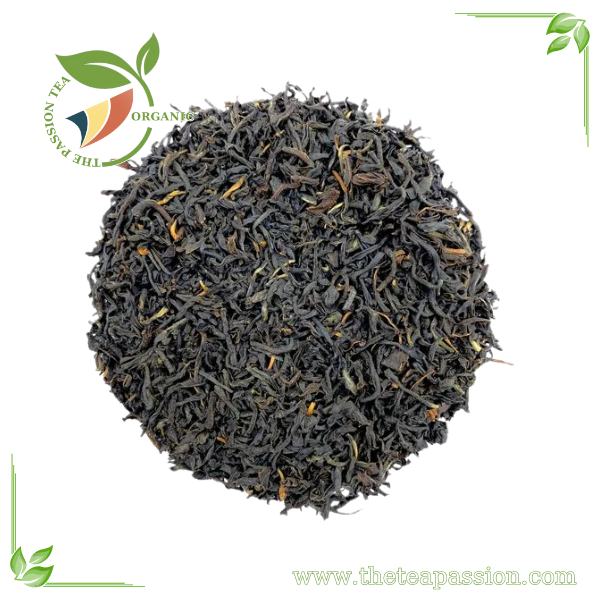
- Select tea with uniformly colored leaves and minimal broken pieces.
- Smell the tea for natural aroma free from mold or chemical odors.
- Purchase from reputable brands with clear origins.
- Prefer Vietnamese black tea from renowned regions like Thái Nguyên and Lâm Đồng.
The distinctive color and flavor of black tea result from a delicate combination of full fermentation, polyphenolic compounds such as theaflavins and thearubigins, traditional processing techniques, and natural terroir. Black tea is not merely a drink but an art and a profound cultural experience, offering a unique and refined tasting journey
