
New
How to Brew Black Tea OP1 to Capture Its Subtle Aromas
How to Brew Black Tea OP1 to Capture Its Subtle Aromas

Ah, black tea OP1 often misunderstood, occasionally over-brewed, and frequently underappreciated. If you’re here, you likely have a packet of this fancy-sounding tea sitting on your kitchen counter, staring at you like a snobby barista waiting for you to order something more complicated than a latte. Fear not, my tea-curious friend! Today, we’re diving into the art (and occasional chaos) of brewing black tea OP1 to unlock its subtle aromas. Spoiler alert: it’s easier than you think, but also trickier than it sounds. Let’s spill the tea.

What Even Is Black Tea OP1?
Before we start brewing, let’s demystify the name. OP1 stands for “Orange Pekoe Grade 1,” which is basically tea lingo for “Hey, this is some high-quality stuff.” It’s not flavored with oranges, nor does it come from a magical pekoe tree. The “orange” refers to the Dutch House of Orange-Nassau (fancy history lesson!), and “pekoe” refers to the fine young leaves used in the blend. So, if you thought you were getting orange-flavored tea, sorry to disappoint. But hey, you’re about to brew something even better if you do it right.

Step 1: Gather Your Tools
Brewing black tea OP1 is not rocket science, but it does require a bit more finesse than tossing a random tea bag into hot water and hoping for the best. Here’s what you’ll need:
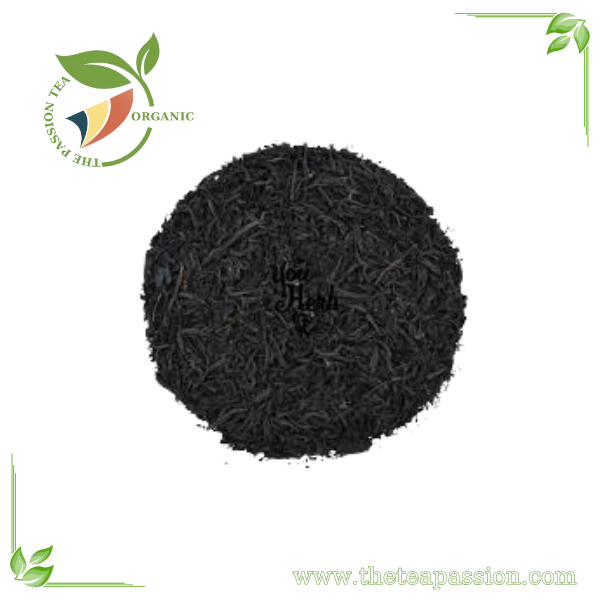
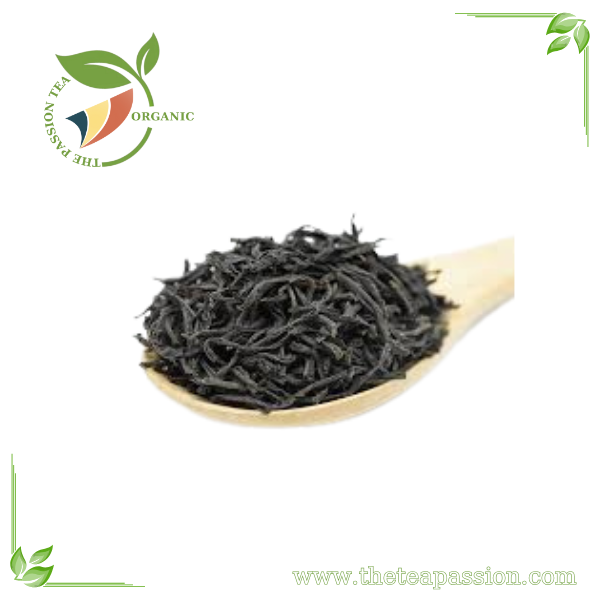
– Loose leaf black tea OP1: Obviously. If you don’t have this, then what are we even doing here?
– A teapot or infuser: Fancy teapot? Cool. Mesh ball? That works too. A sock? Please don’t.
– Filtered water: Tap water is fine if it tastes good, but if your tap water tastes like old pennies, maybe splurge on some filtered H2O.
– A kettle: Electric or stovetop your call. Just don’t microwave the water unless you want the tea gods to smite you.
– A timer: Because “I’ll just eyeball it” is famous last words in the world of tea brewing.

Step 2: Measure Like a Pro
The golden rule of black tea OP1 is balance. Too much tea and you’ll end up with a brew so strong it could double as paint thinner. Too little, and you’ll wonder if you accidentally made hot water soup. The sweet spot? About 1 teaspoon of loose leaf tea per 8 ounces of water. If you’re bad at math (no judgment), just remember: one teaspoon per mug.

Step 3: Heat the Water (But Don’t Boil It to Death)
Water temperature is crucial here. Black tea needs hot water, but not “molten lava” hot. Aim for 200°F (around 93°C). If you don’t have a fancy thermometer, just bring your water to a boil and let it cool for about 30 seconds. If steam is rising like a dramatic fog machine at a rock concert, you’re probably good to go.

Step 4: Steep Like You Mean It
Now comes the moment of truth: steeping! Place your tea leaves in your teapot or infuser and pour the hot water over them. Set your timer for 3 to 5 minutes no more, no less. This is where people tend to go rogue and leave their tea steeping until it tastes like regret. Trust me, over-steeping is the enemy of subtle aromas.
While you wait, feel free to practice your best British accent or contemplate life’s mysteries, like why your cat always stares at you when you’re making tea.
Step 5: Strain and Sip
Once your timer dings (or buzzes or chimes whatever sound it makes), immediately remove the tea leaves from the water. This is non-negotiable unless you enjoy bitter tea that tastes like disappointment. Pour your perfectly brewed black tea OP1 into your favorite mug or teacup and prepare for aromatic bliss.
Bonus Tips for Maximum Tea Awesomeness
1. Don’t Drown It in Milk and Sugar: Look, I’m not here to police your tea habits, but if you’ve gone through all this effort to brew black tea OP1 properly, maybe give it a sip before drowning it in dairy and sweeteners. You might be surprised by how naturally delicious it is!
2. Experiment with Add-Ons: If you must jazz things up, try a slice of lemon or a dash of honey instead of turning your tea into dessert soup.
3. Pair with Snacks: Black tea OP1 pairs beautifully with biscuits, scones, or anything that doesn’t involve neon-colored frosting.
4. Store It Right: Keep your loose leaf tea in an airtight container away from light and moisture. Treat it like the treasure it is not like that sad bag of chips you left open last week.

Brewing black tea OP1 isn’t just about making a cup of tea; it’s about crafting a tiny masterpiece in liquid form. Sure, it takes a bit more effort than tossing a bag into a mug and nuking it in the microwave, but trust me it’s worth it. You’ll be rewarded with a brew that’s rich, aromatic, and so satisfying that even your cat might stop judging you for five minutes.
So go forth and brew with confidence! And remember: life’s too short for bad tea (or microwaved water). Cheers!
