


BLACK TEA DUST
Black tea dust may not have the visual appeal or prestige of whole leaf teas, but its practicality, affordability, and bold flavor make it an indispensable part of the global tea market. Whether you’re enjoying a quick cup on a busy morning or crafting a flavorful chai for friends and family, black tea dust delivers efficiency without sacrificing taste.
The World of Black Tea Dust: An Insight into Its Characteristics and Uses
Black tea is one of the most widely consumed beverages globally, cherished for its robust flavor, rich aroma, and numerous health benefits. Among the various forms of black tea available in the market, black tea dust holds a unique position. While it may not be as well known as loose leaf or bagged tea, black tea dust plays a pivotal role in the tea industry and is widely favored for its practical applications.
What is Black Tea Dust?
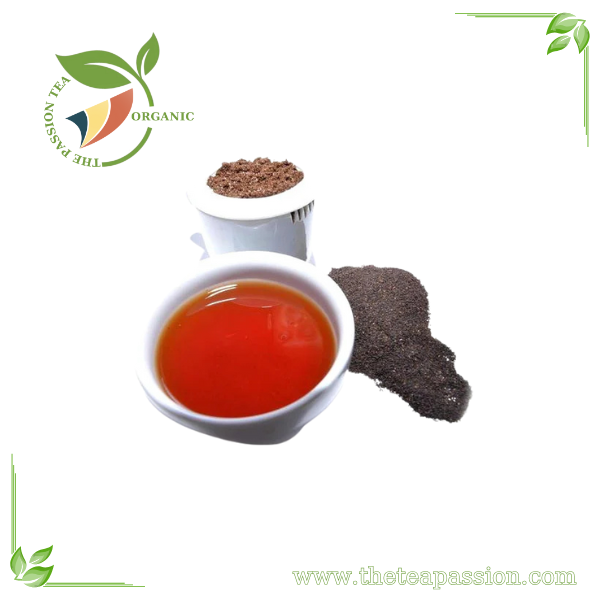
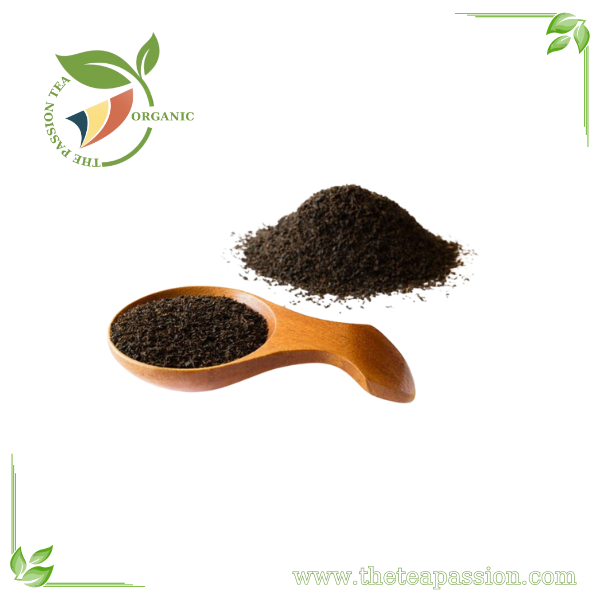
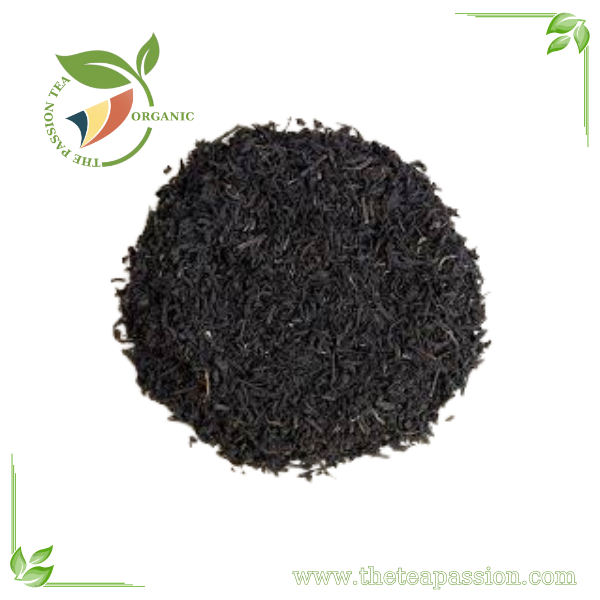
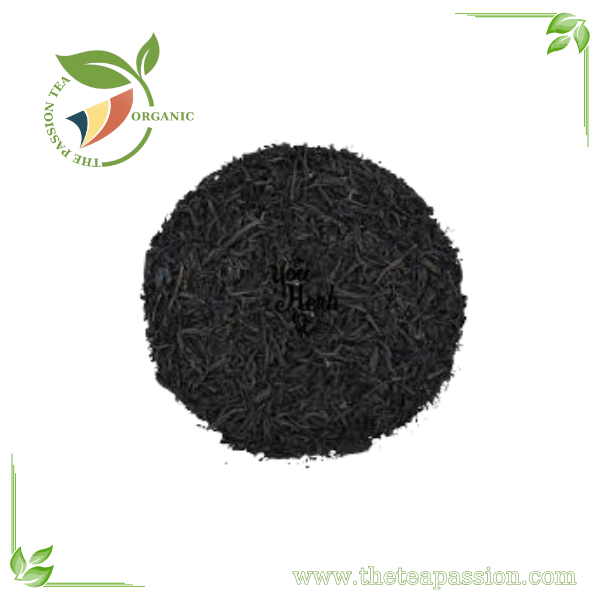
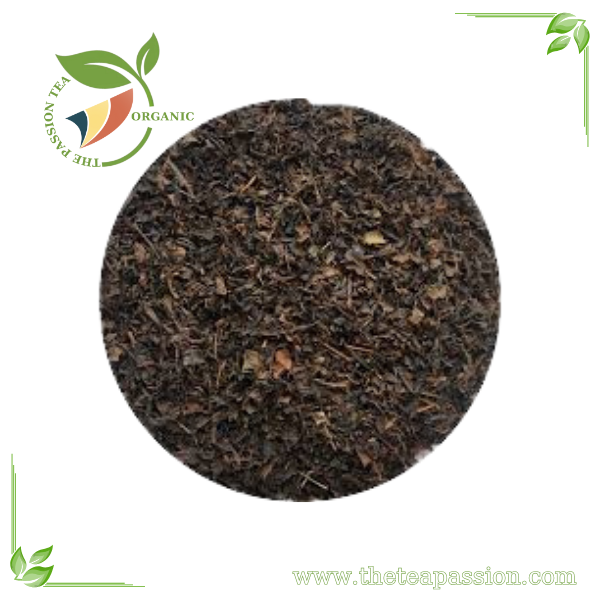
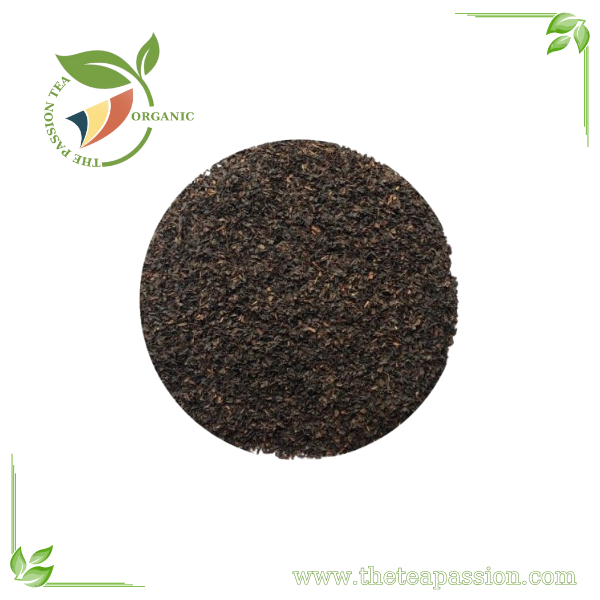
Black tea dust refers to finely ground particles of black tea leaves, typically created as a byproduct during the tea production process. Unlike whole leaf or broken leaf tea varieties, which are larger in size, tea dust consists of minute fragments of tea leaves. These small particles are often derived from lower grade leaves or the remnants of tea processing, yet they are packed with flavor and aroma.
Characteristics of Black Tea Dust
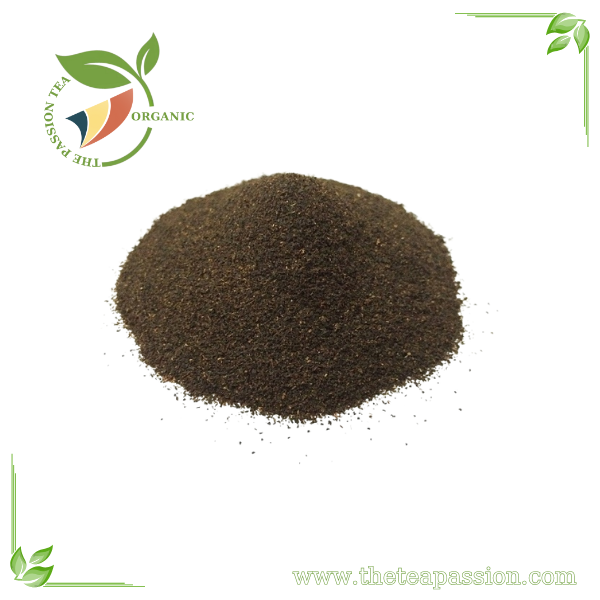
1. Size and Texture: Black tea dust is extremely fine, resembling powder or tiny granules. Its small particle size allows for faster brewing, making it a convenient choice for those seeking a quick cup of tea.
2. Strong Flavor Profile: Due to its fine texture, black tea dust has a higher surface area exposed to water during brewing. This results in a strong, bold flavor that is often more intense than that of whole leaf teas.
3. Rich Color: When brewed, black tea dust produces a deep, dark liquor that is visually appealing and indicative of its robust nature.
4. Cost Effectiveness: As a byproduct of traditional tea processing, black tea dust is generally more affordable than premium loose leaf teas, making it an economical option without compromising on flavor.
Applications of Black Tea Dust
1. Mass Market Tea Bags: Black tea dust is a common ingredient in commercially available tea bags. Its fine particles allow for quick infusion, catering to consumers who prioritize convenience and efficiency.
2. Chai Preparation: In many countries, particularly in South Asia, black tea dust is a preferred choice for making chai. Its strong flavor holds up well when combined with milk, sugar, and spices, resulting in a rich and satisfying beverage.
3. Food and Beverage Industry: Beyond traditional brewing, black tea dust is used as a flavoring agent in various food products and beverages. It can be incorporated into desserts, ice creams, and baked goods to impart a distinct tea flavor.
4. Industrial Use: In some cases, black tea dust is utilized in non consumable products such as natural dyes or compost materials due to its organic properties.
Quality Considerations
While black tea dust offers numerous advantages, it is essential to understand that its quality can vary significantly depending on the source and production methods. High quality black tea dust should be free from contaminants, such as stems or other foreign materials. Additionally, it should retain the essential oils and compounds that contribute to the characteristic taste and aroma of black tea.
To ensure a premium experience, consumers are advised to purchase black tea dust from reputable brands or suppliers that adhere to stringent quality control standards.
Brewing Tips for Black Tea Dust
Brewing black tea dust requires a slightly different approach compared to loose leaf teas due to its fine texture. Here are some tips for achieving the best results:
1. Use a Fine Strainer: Since the particles are small, using a fine mesh strainer or filter is recommended to prevent residue from entering your cup.
2. Monitor Steeping Time: Black tea dust brews quickly due to its high surface area. A steeping time of 1 2 minutes is usually sufficient to extract its full flavor without over extraction.
3. Adjust Proportions: Due to its concentrated nature, only a small quantity of black tea dust is needed per cup. Experiment with proportions to suit your taste preferences.
4. Enhance with Additives: Black tea dust pairs well with milk, sugar, honey, or spices like cardamom and ginger. These additions can enhance the flavor profile and create a customized beverage experience.
Environmental and Ethical Considerations
The production of black tea dust raises questions about sustainability and ethical practices within the tea industry. As it is often derived from lower grade leaves or byproducts, it plays an essential role in minimizing waste during the manufacturing process. However, consumers are encouraged to support brands that prioritize environmentally friendly practices and fair treatment of workers involved in tea cultivation and processing.
Black tea dust may not have the visual appeal or prestige of whole leaf teas, but its practicality, affordability, and bold flavor make it an indispensable part of the global tea market. Whether you’re enjoying a quick cup on a busy morning or crafting a flavorful chai for friends and family, black tea dust delivers efficiency without sacrificing taste.
By understanding its characteristics and applications, consumers can make informed choices about incorporating black tea dust into their daily routines while appreciating its unique contribution to the world of tea.






Đánh giá
Chưa có đánh giá nào.