


BLACK TEA P
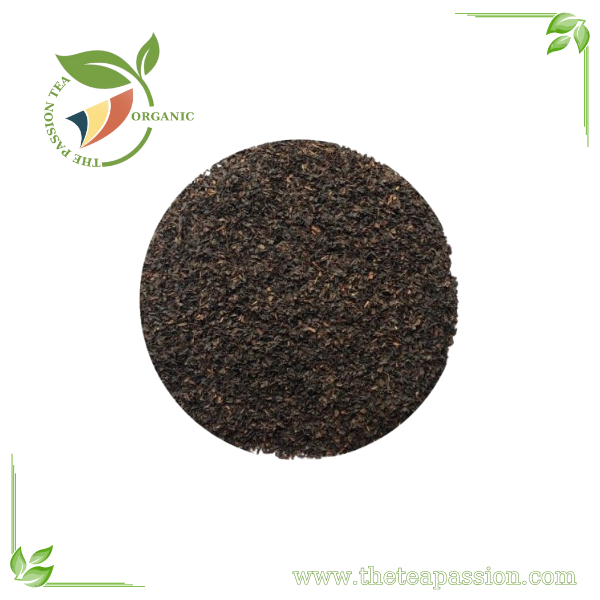
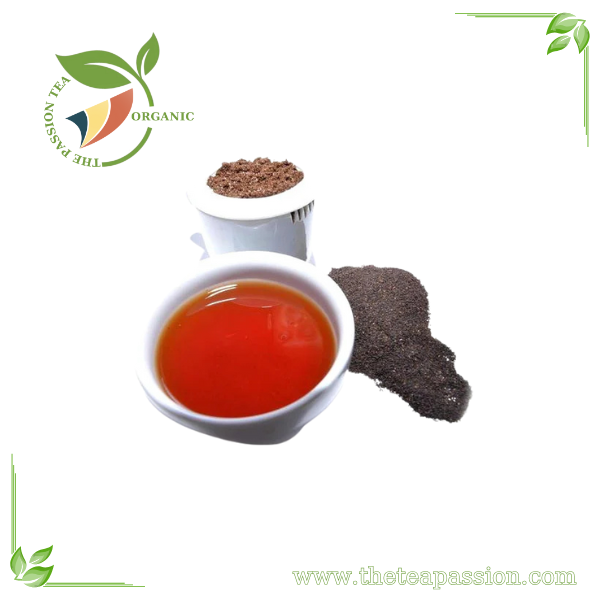
Black tea p, one of the most consumed beverages worldwide, holds a significant place in the realm of tea culture. Its bold flavor, rich history, and numerous health benefits have made it a staple in households and tea traditions across the globe. In this article, we delve into the characteristics, production process, and benefits of black tea p, shedding light on why it continues to captivate tea enthusiasts.
The Essence of Black Tea P : A Brief Exploration
Black tea p, one of the most consumed beverages worldwide, holds a significant place in the realm of tea culture. Its bold flavor, rich history, and numerous health benefits have made it a staple in households and tea traditions across the globe. In this article, we delve into the characteristics, production process, and benefits of black tea p, shedding light on why it continues to captivate tea enthusiasts.
Understanding Black Tea P
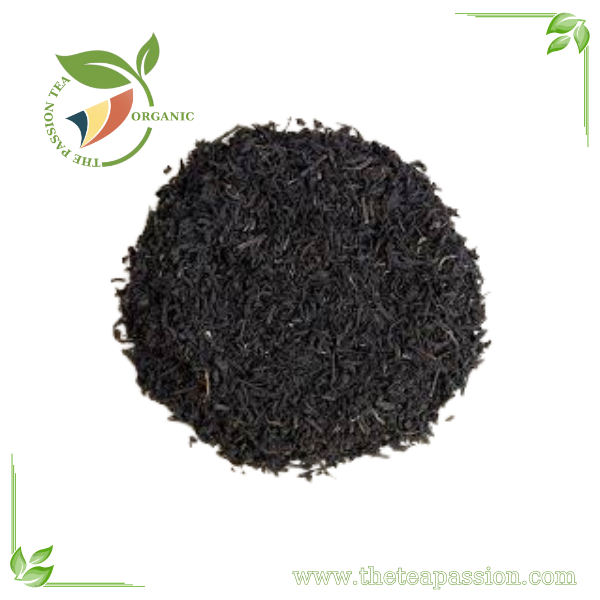
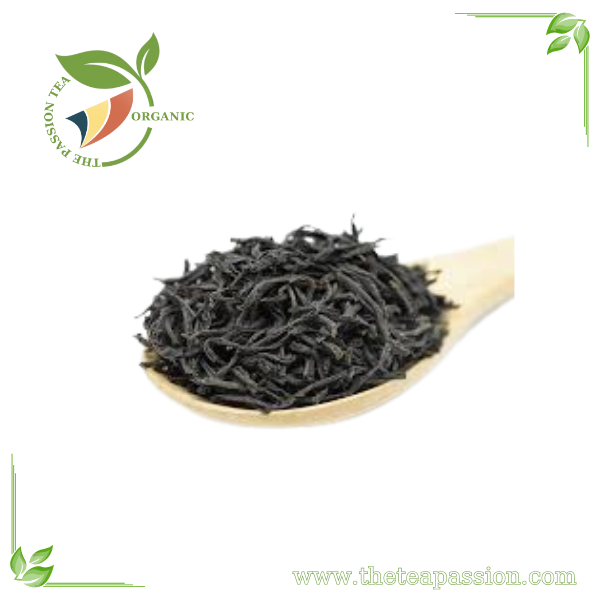
Black tea p is derived from the leaves of the Camellia sinensis plant, the same source as green, white, and oolong teas. The defining characteristic of black tea p lies in its complete oxidation during production. This process not only imparts its signature dark color but also enhances its robust flavor profile, which can range from malty and smoky to sweet and floral, depending on the variety and origin.

The Production Process
The journey of black tea p begins with the careful plucking of tea leaves. These leaves undergo a series of steps that include withering, rolling, oxidation, and drying:
1. Withering: Freshly plucked tea leaves are spread out to reduce moisture content. This step makes the leaves pliable and prepares them for rolling.
2. Rolling: The leaves are rolled to break their cell walls, releasing essential oils and enzymes that contribute to the tea’s flavor and aroma.
3. Oxidation: During this critical stage, the rolled leaves are exposed to air, allowing natural enzymes to react with oxygen. This chemical reaction darkens the leaves and develops the complex flavors characteristic of black tea p.
4. Drying: Finally, the oxidized leaves are dried to halt further chemical reactions and preserve their quality.

Varieties of Black Tea P
Black tea p is cultivated in various regions around the world, each producing unique varieties influenced by local climate, soil, and processing techniques. Some notable types include:
– Assam: Originating from India, Assam black tea p is known for its bold, malty flavor and deep amber color. It is often used in breakfast blends like English Breakfast.
– Darjeeling: Grown in the foothills of the Himalayas, Darjeeling tea is prized for its delicate floral aroma and light muscatel flavor.
– Ceylon: Produced in Sri Lanka, Ceylon black tea offers a bright, citrusy taste with a brisk finish.
– Keemun: A Chinese black tea, Keemun is celebrated for its smooth texture, smoky undertones, and subtle sweetness.
Health Benefits of Black Tea
Beyond its delightful taste, black tea boasts an array of health benefits due to its rich content of antioxidants and other bioactive compounds:
1. Heart Health: Studies suggest that regular consumption of black tea may help reduce the risk of cardiovascular diseases by improving cholesterol levels and promoting healthy blood vessel function.
2. Antioxidant Properties: Black tea contains polyphenols such as catechins and flavonoids, which combat oxidative stress and may reduce the risk of chronic diseases.
3. Improved Focus: The combination of caffeine and L-theanine in black tea can enhance mental alertness and concentration without causing the jitters often associated with coffee.
4. Digestive Support: Black tea has been linked to improved gut health by promoting the growth of beneficial bacteria in the digestive system.
Brewing the Perfect Cup
To fully appreciate the nuances of black tea, proper brewing techniques are essential:
1. Use freshly boiled water at a temperature of approximately 200°F (93°C).
2. Steep loose-leaf black tea or a teabag for 3-5 minutes, depending on your desired strength.
3. Add milk, sugar, or lemon according to your preference, though many connoisseurs recommend enjoying it plain to savor its natural flavors.
Black tea is more than just a beverage; it is a symbol of tradition, culture, and wellness. Its versatility in flavor profiles and health-promoting properties make it a timeless choice for tea drinkers around the world. Whether enjoyed as a morning energizer or a comforting afternoon ritual, black tea continues to be a cherished companion in daily life.







Đánh giá
Chưa có đánh giá nào.